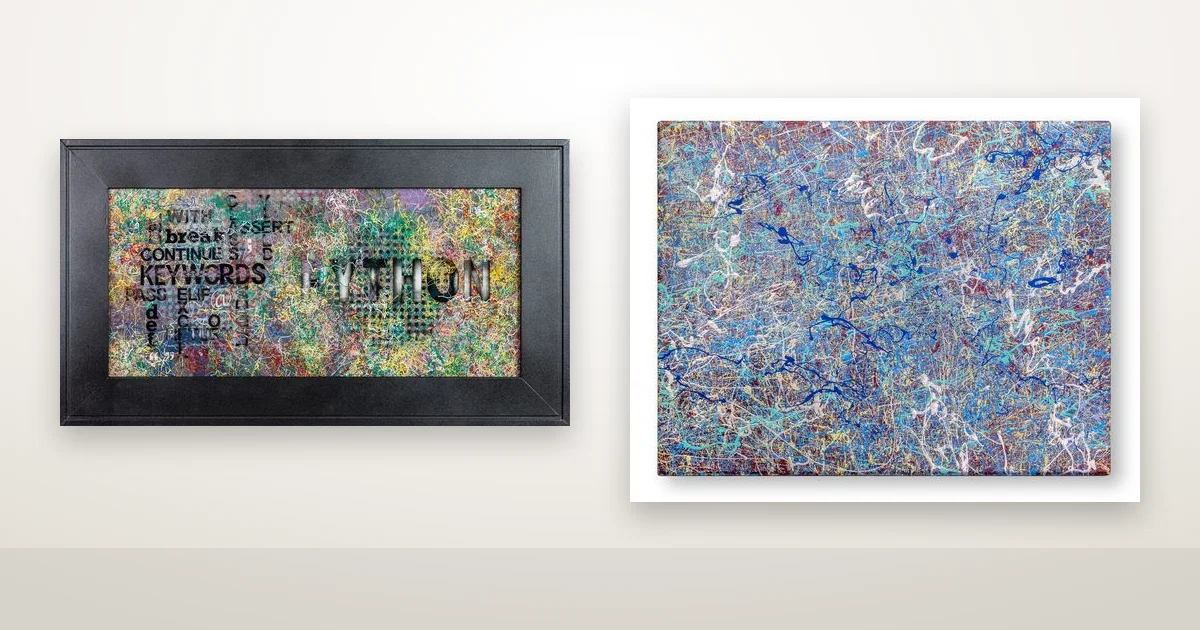
Art for a Home Office
Art for a home office: why the wall you face and the wall behind you on video calls need different paintings, and how to keep a lamp out of an epoxy face.
Read the article →
Notes from the studio and the gallery — what the materials do, how to live with an original, and how buying a one-of-a-kind piece actually works.
Art for a home office: why the wall you face and the wall behind you on video calls need different paintings, and how to keep a lamp out of an epoxy face.
Read the article →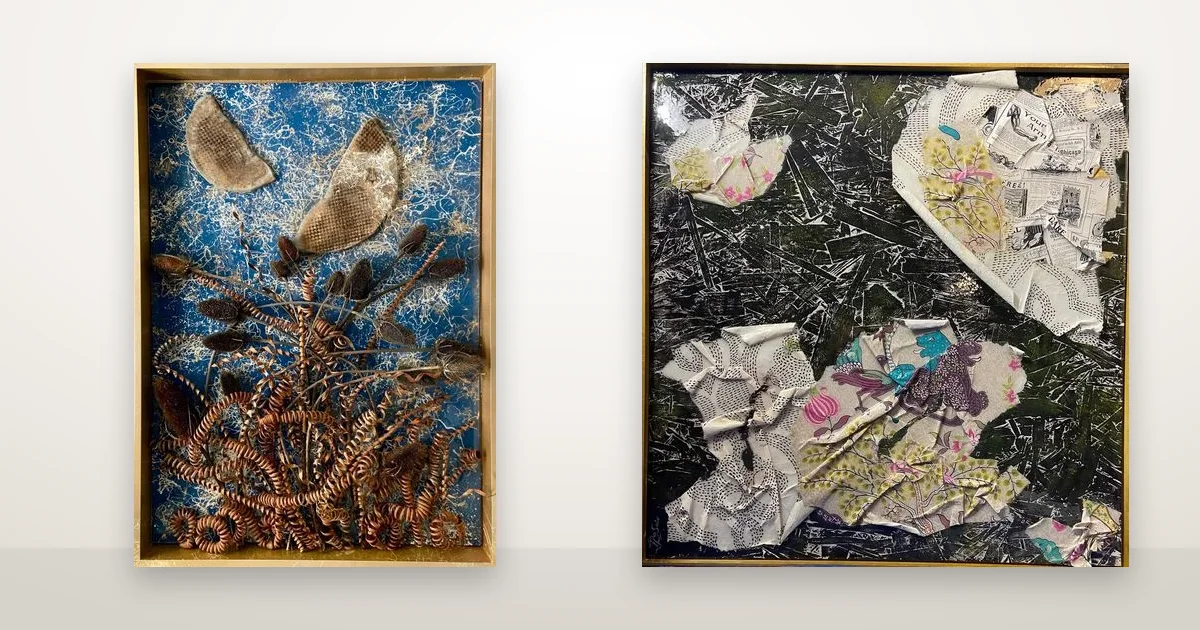
Buying art at a local show: what the room does to a painting, what to note at the wall, and what a studio visit adds, told through our wall at Vivid Passion.
Read the article →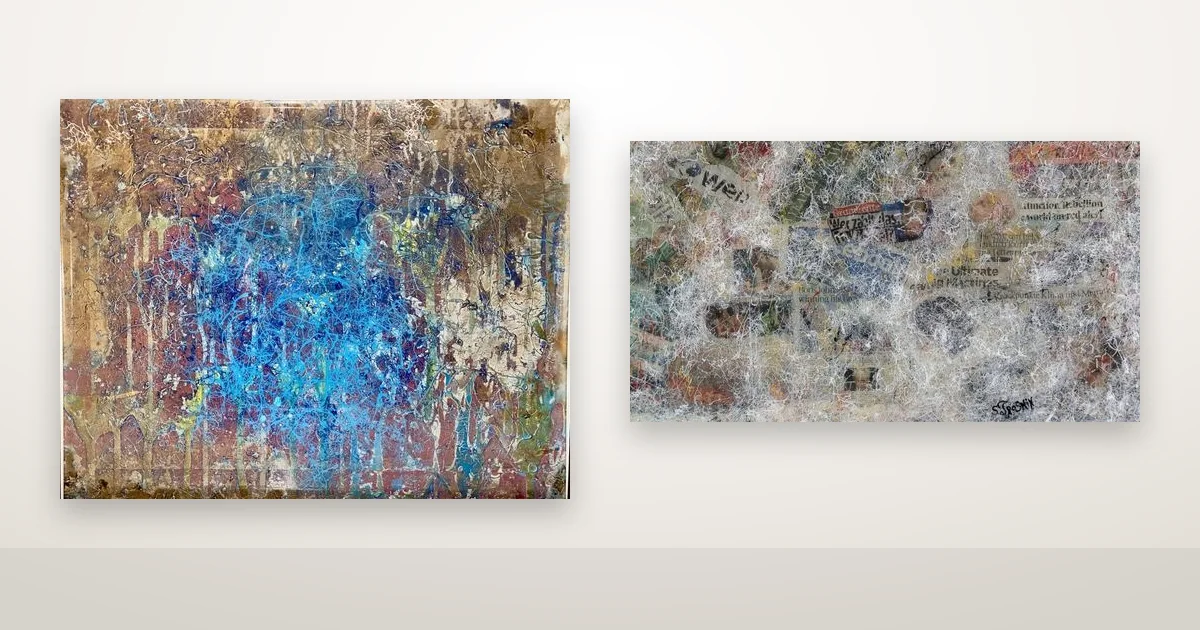
Does an abstract painting have a right way up? How to read the top from drips, the signature, letters and the back, shown on four works from our catalogue.
Read the article →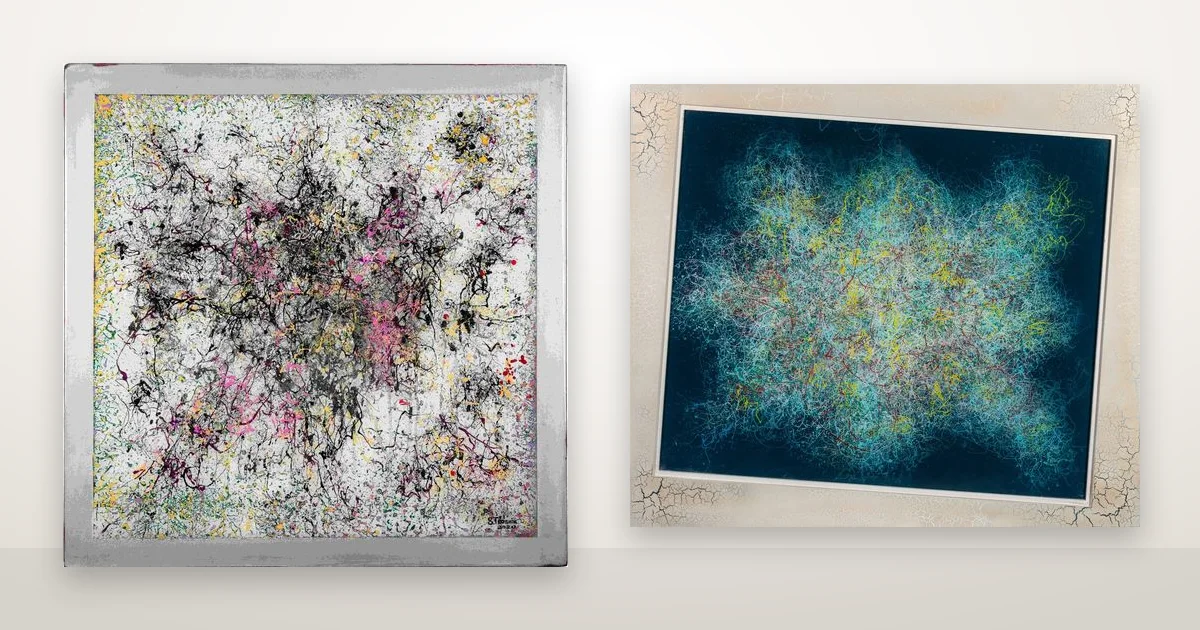
Why the clear epoxy coat on a painting can yellow, what speeds it up, where a tint shows first, and how to check a resin piece in daylight before you buy.
Read the article →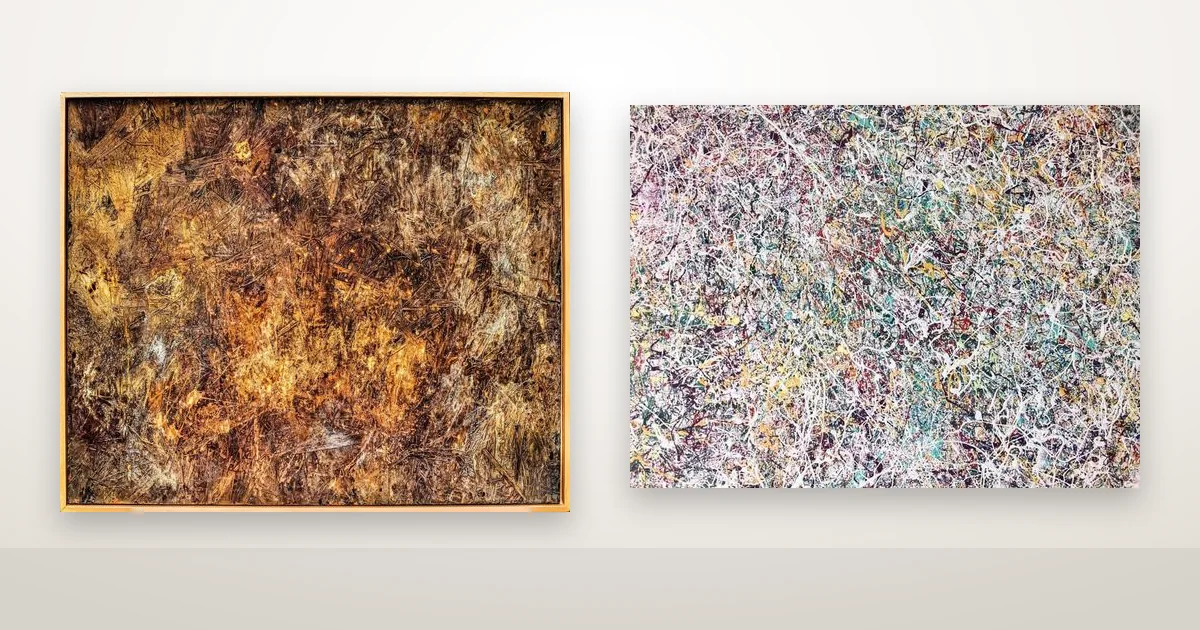
What a self-taught artist is, how the term differs from naive and outsider art, and what to read on a painting's page in place of a diploma.
Read the article →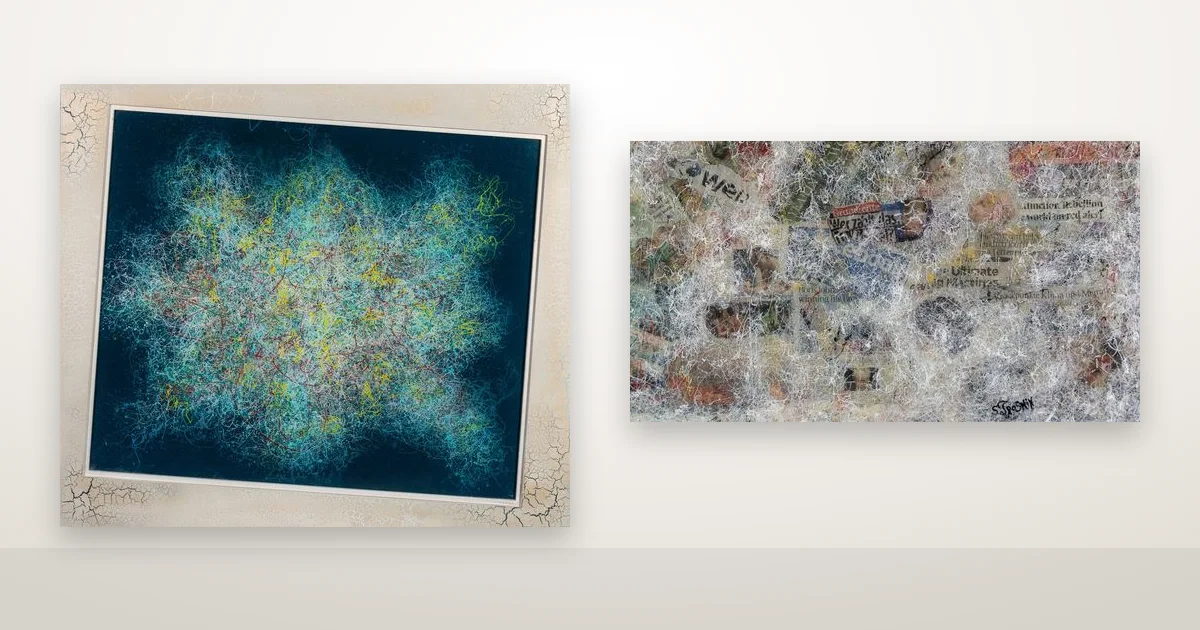
How to transport a painting in a car: measure the opening, keep the face clear, warm the cabin first. With the size bands of a real catalogue.
Read the article →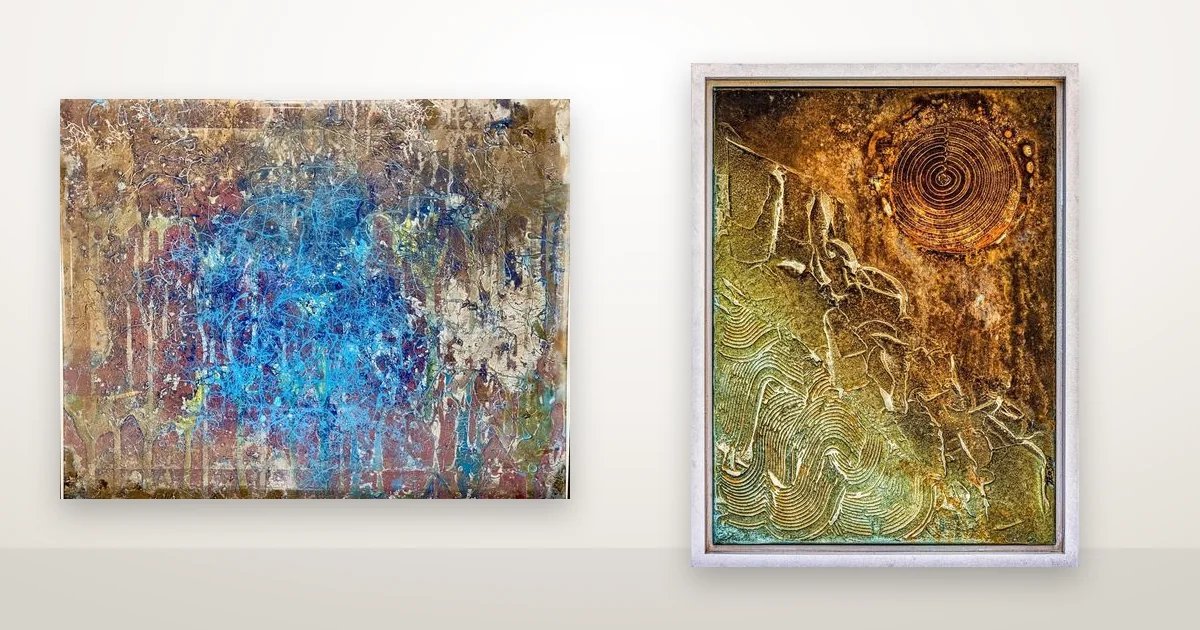
Can you hang a painting in a bathroom? It depends on the room and the surface. The humidity numbers, a one-week test and two real works compared.
Read the article →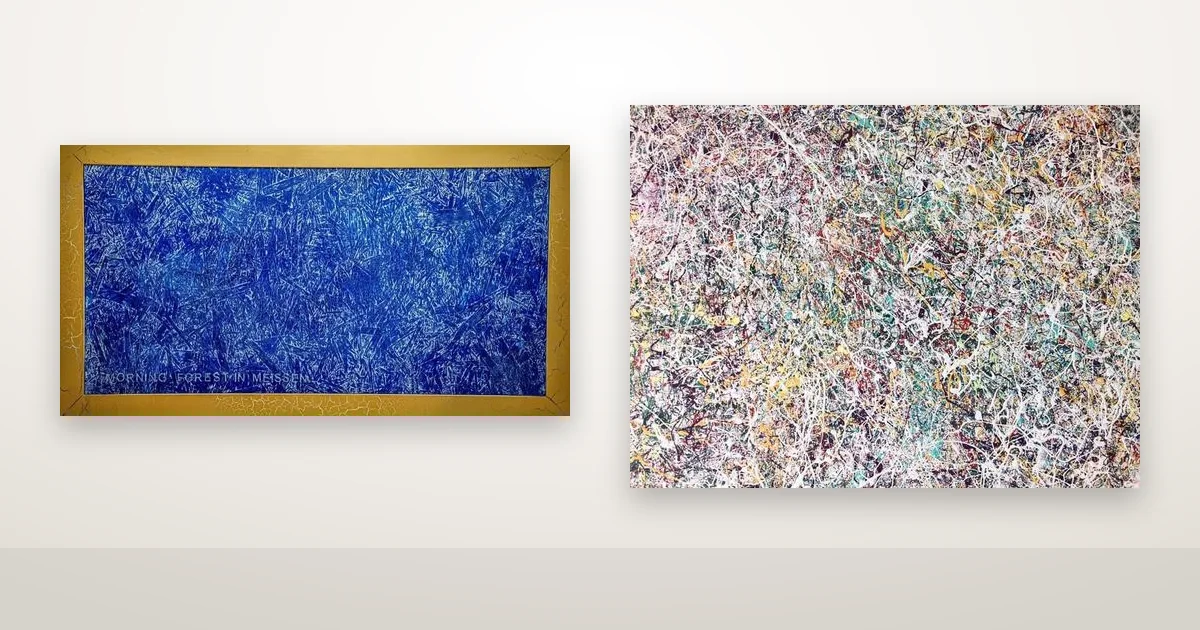
Can a painting above a fireplace stay safe? What heat, dry air and smoke do to the wall, a one-evening thermometer test, and two works compared.
Read the article →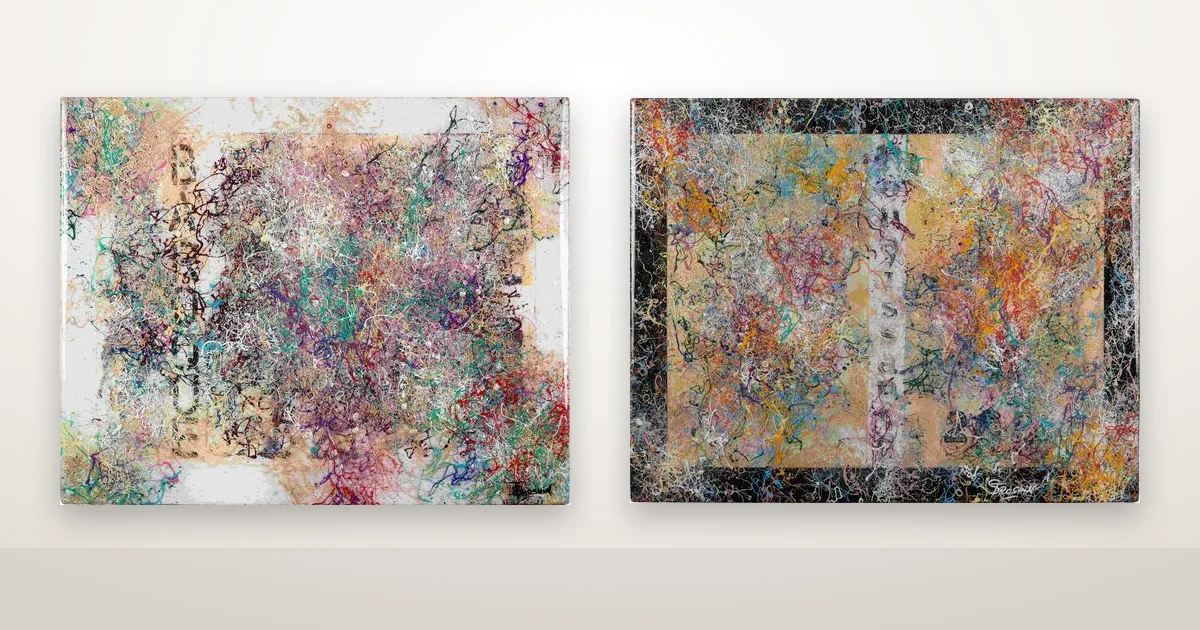
Three abstract panels named after art movements. What Baroque, the Renaissance and Dada were, what the artist took from each, and what you can see on them.
Read the article →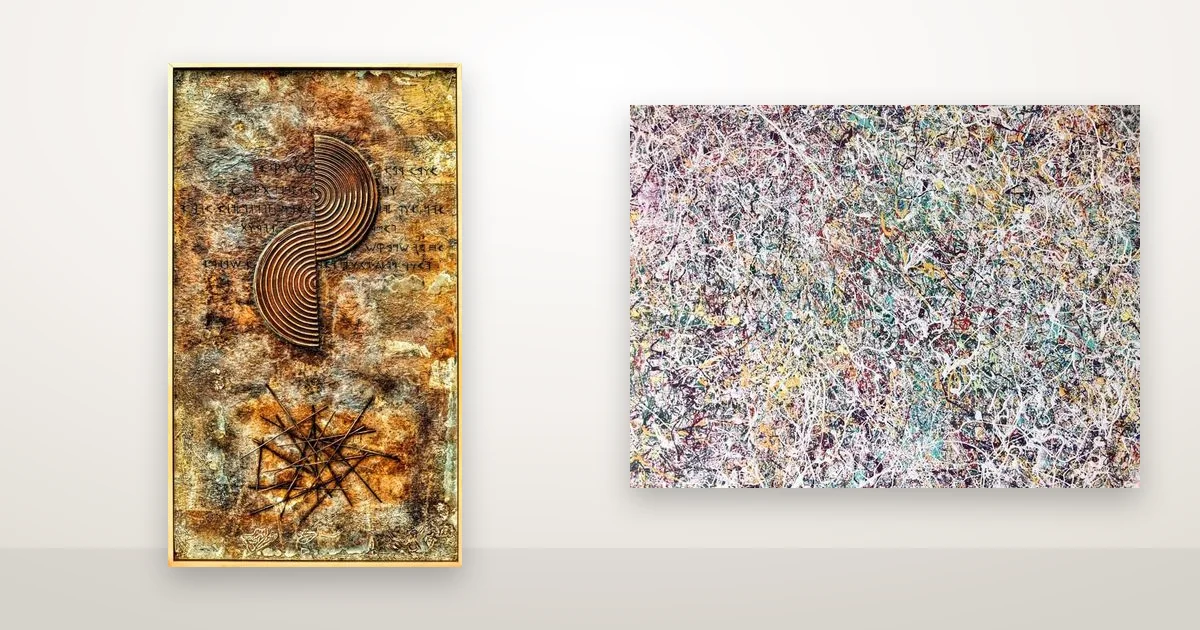
In 1953 a Toronto store hung abstract paintings beside furniture. Who Painters Eleven were, what they shared, and four questions to ask of any abstract work.
Read the article →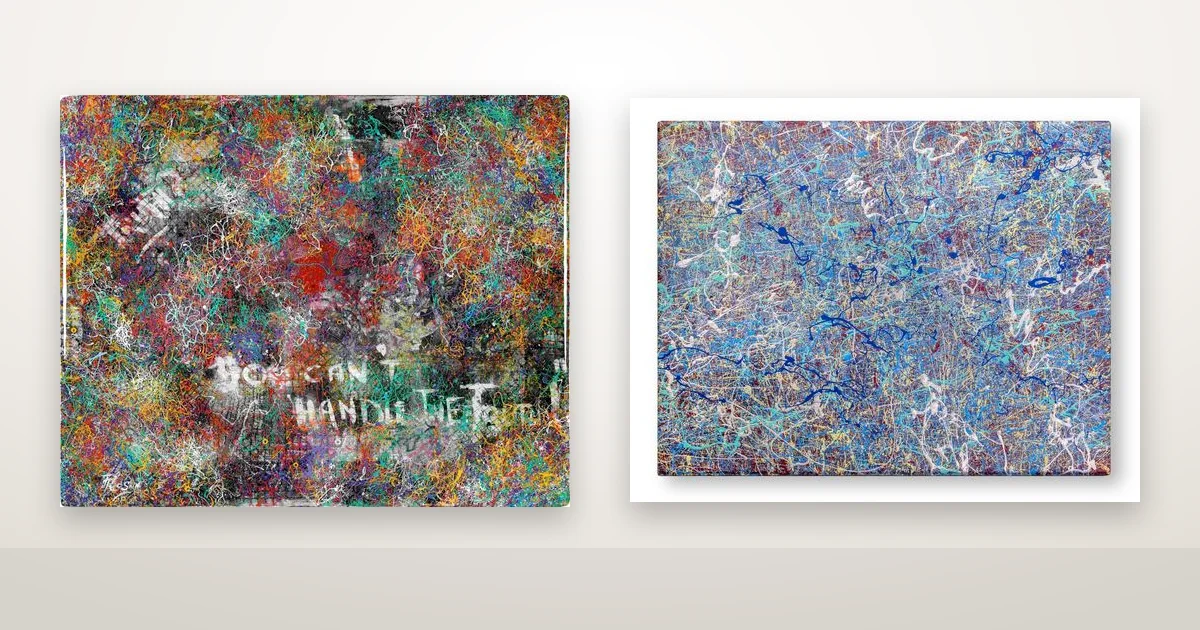
Acrylic paint is under 56 of our 61 works. What it is, what it lets a painter do, why it stiffens in the cold, and how a sealed and an open surface differ.
Read the article →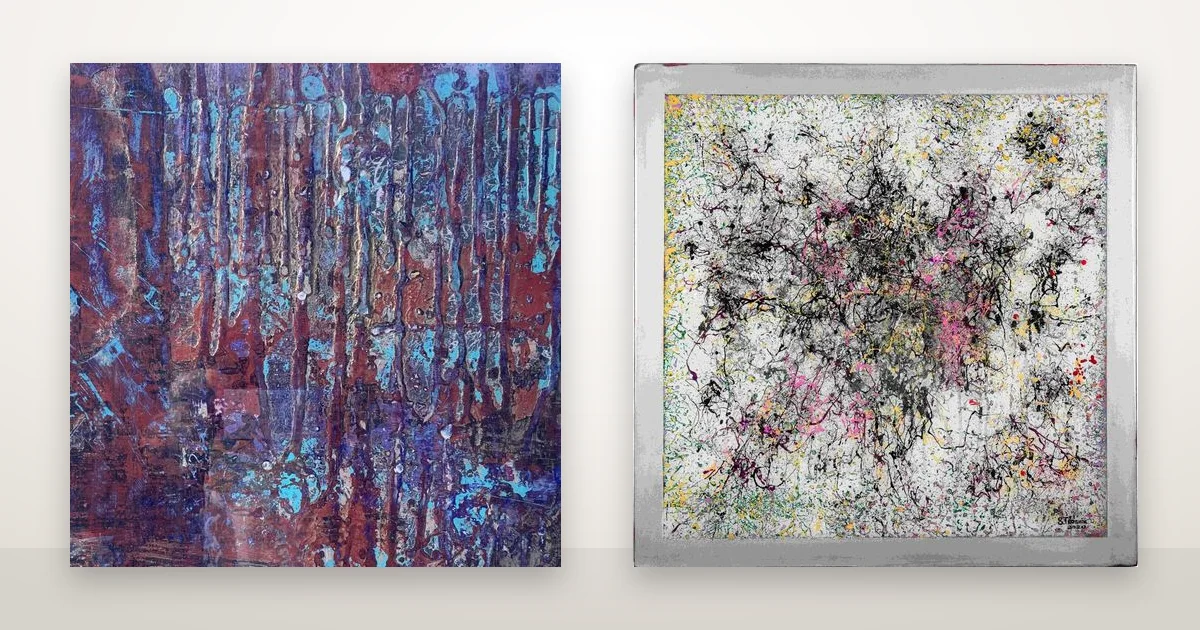
The wall surrounds a painting on all four sides and changes how light or dark it reads. What conservators say about white walls, and how to test yours.
Read the article →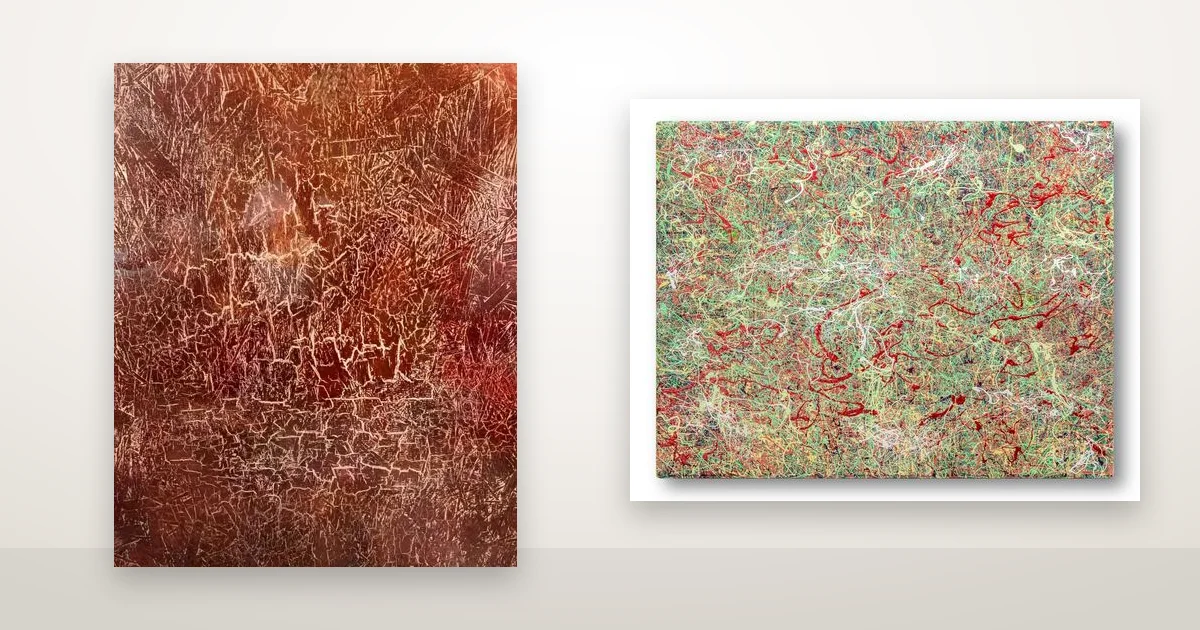
Every artwork page here ends with the same three words: no direct sun. What that line is protecting, what fades first, and how to choose the wall.
Read the article →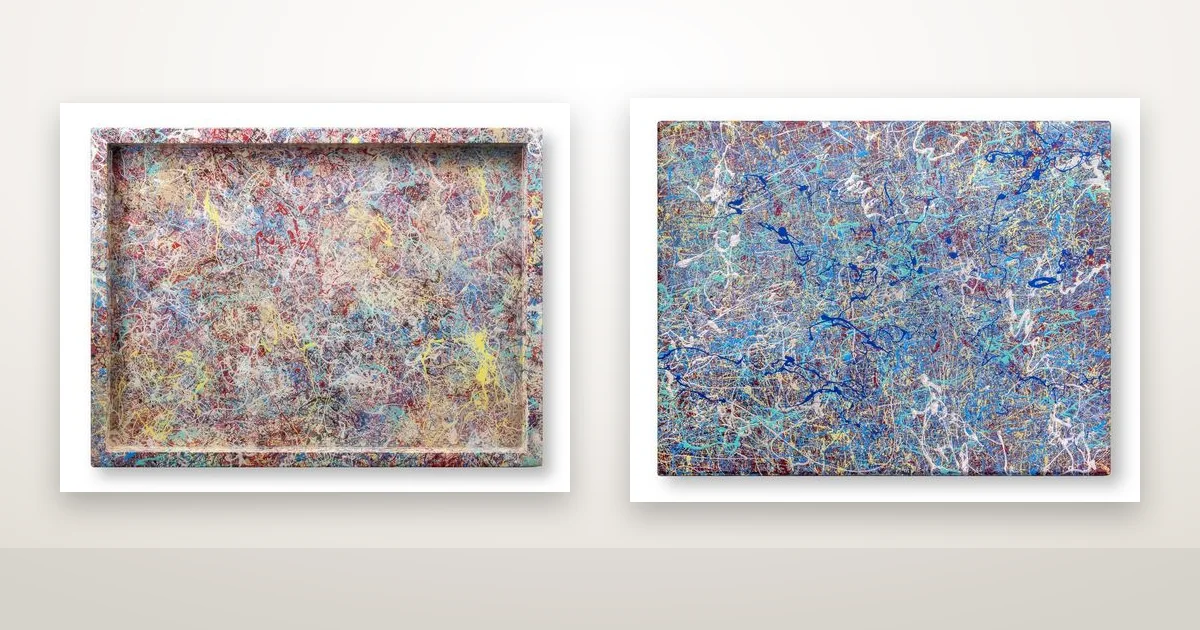
One in three works here has no side longer than 16 inches. What that changes about the wall you pick, the light you aim at it, and how close you stand.
Read the article →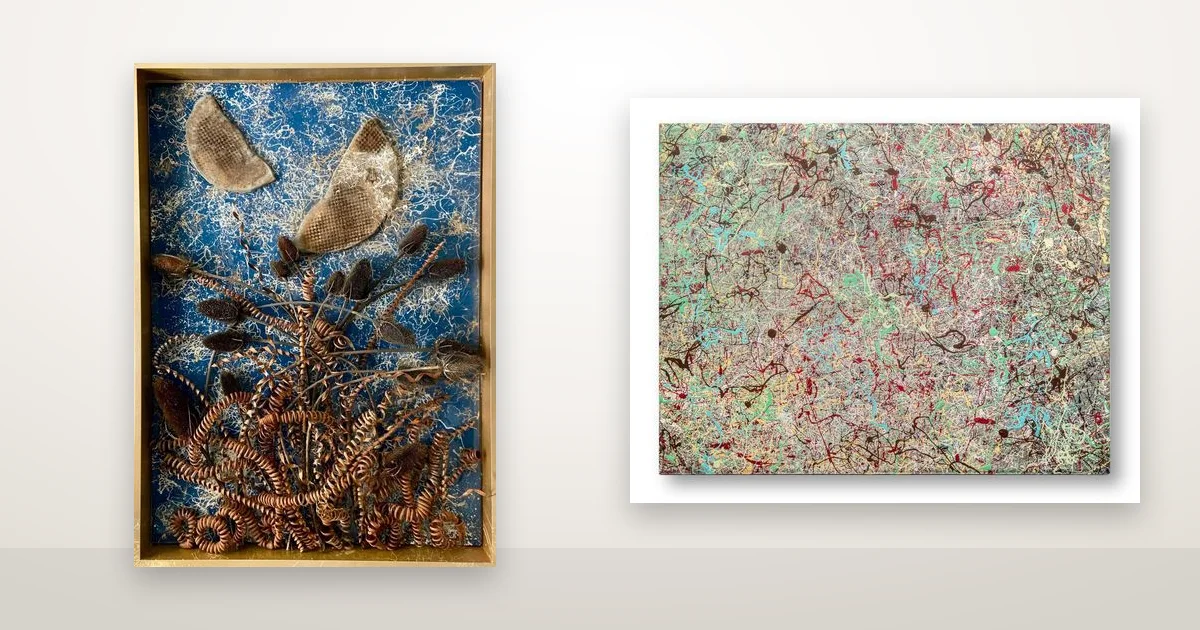
A knock, a scratch, a spill: what to do in the first hour, what never to clean it with, and when a damaged painting needs a conservator rather than you.
Read the article →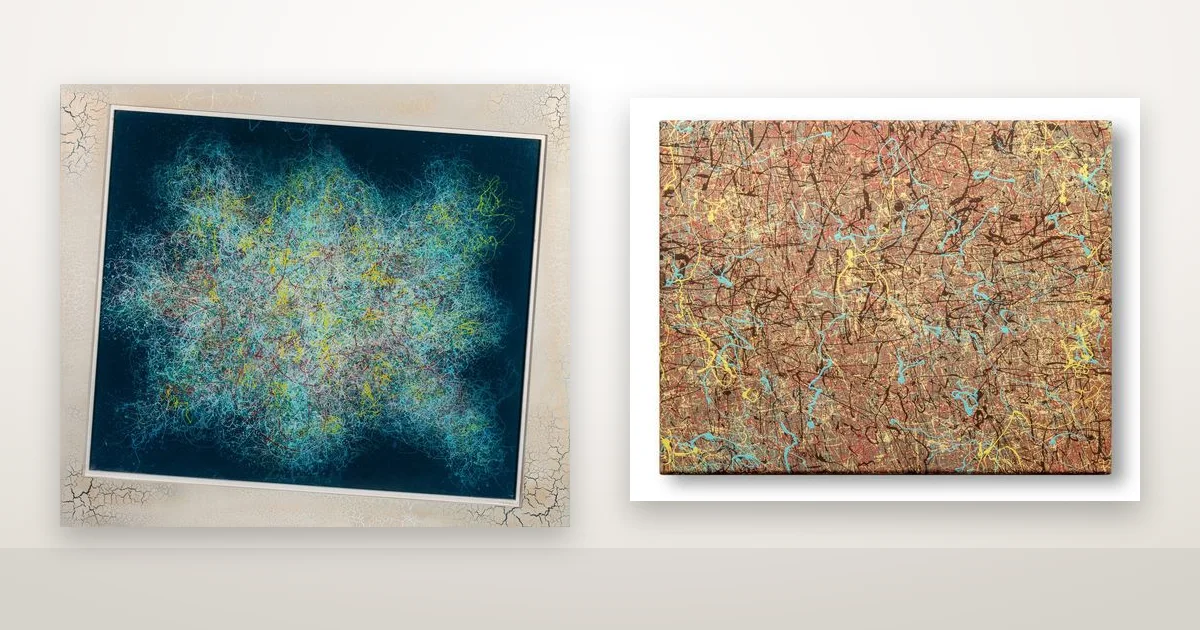
The attic and the basement are the two places conservation guidance says to avoid. Where an original should wait out a move, and how to stack one safely.
Read the article →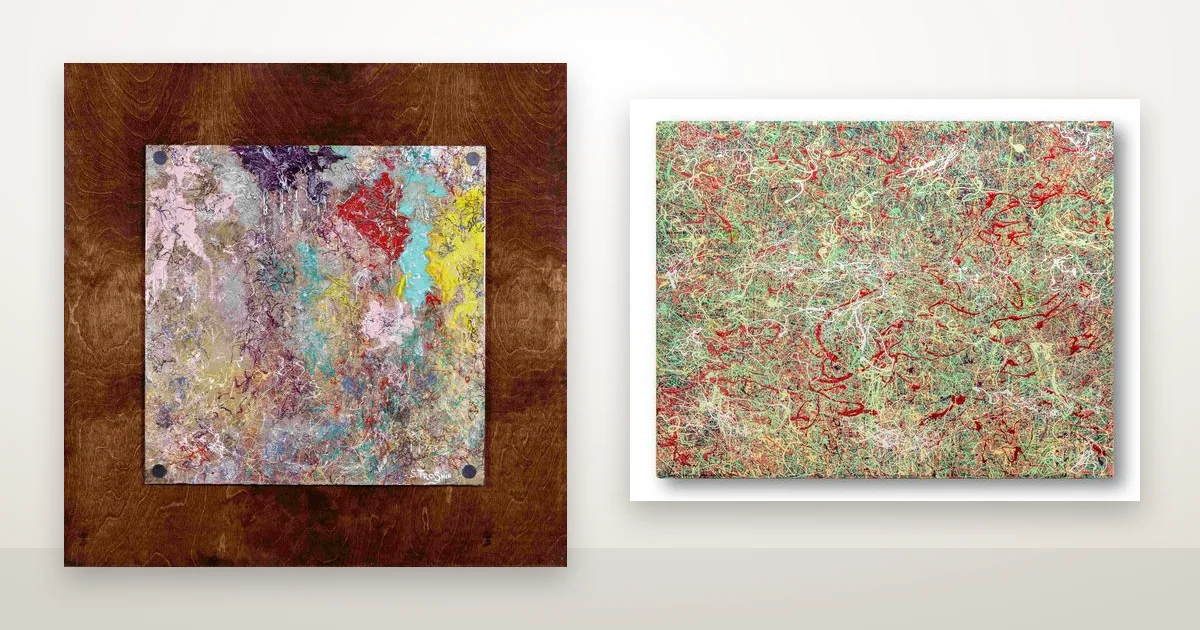
Weight decides the hardware, not size. What a rigid resin-faced panel needs that a small canvas does not, which fixing suits your wall, and what to ask us.
Read the article →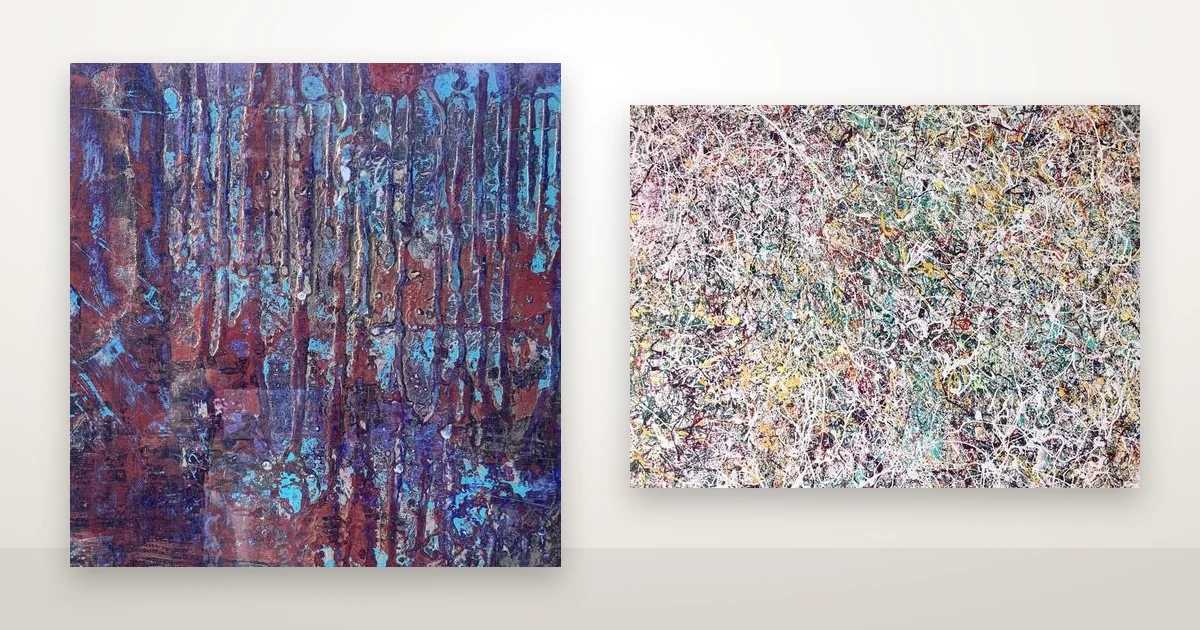
Dry winter air, radiators and cold exterior walls: the spots in a Canadian home that are hard on an original, and why an acrylic canvas copes best.
Read the article →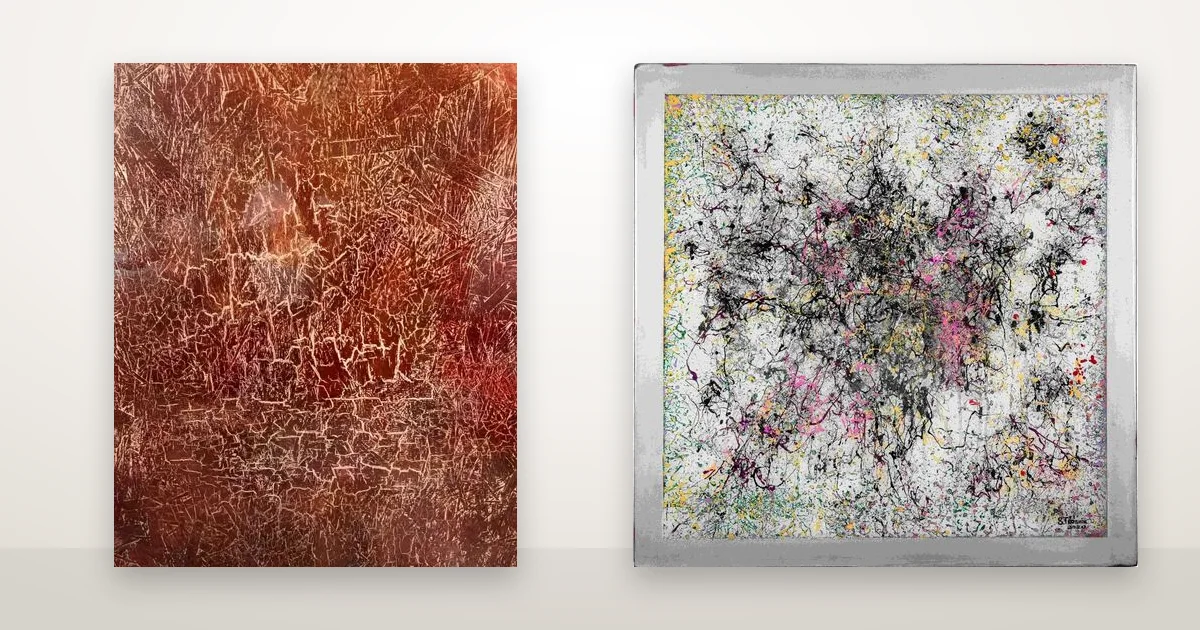
We measured colour across 48 paintings in the catalogue. One gives red 85% of the picture; another is four fifths neutral. Both get called colourful.
Read the article →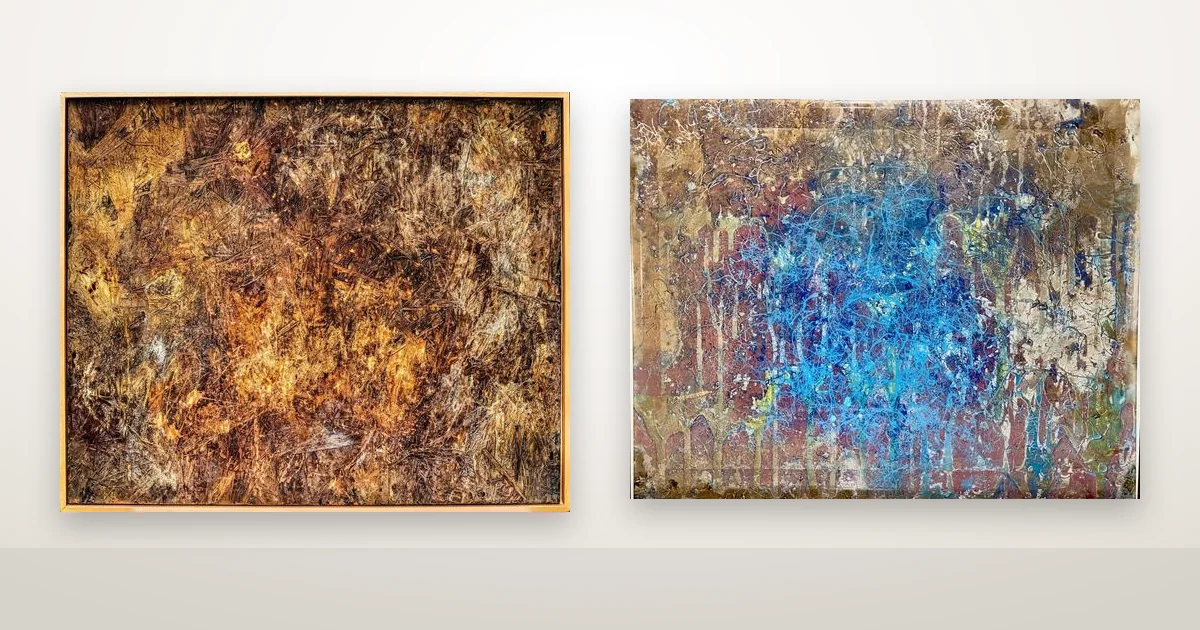
On 34 of our 61 artwork pages the artist writes about the work himself; 27 carry nothing. What that note is good for, and what it never contains.
Read the article →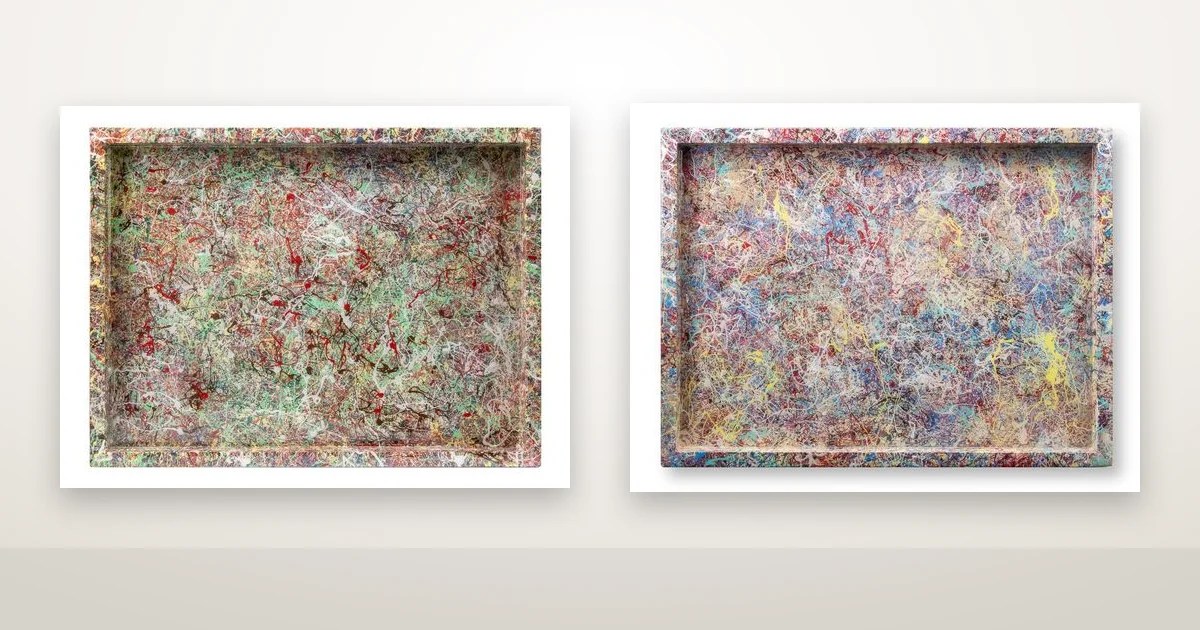
Works read as a group when their measurements agree, not their colours. The sizes that repeat in this catalogue, and the three things to settle first.
Read the article →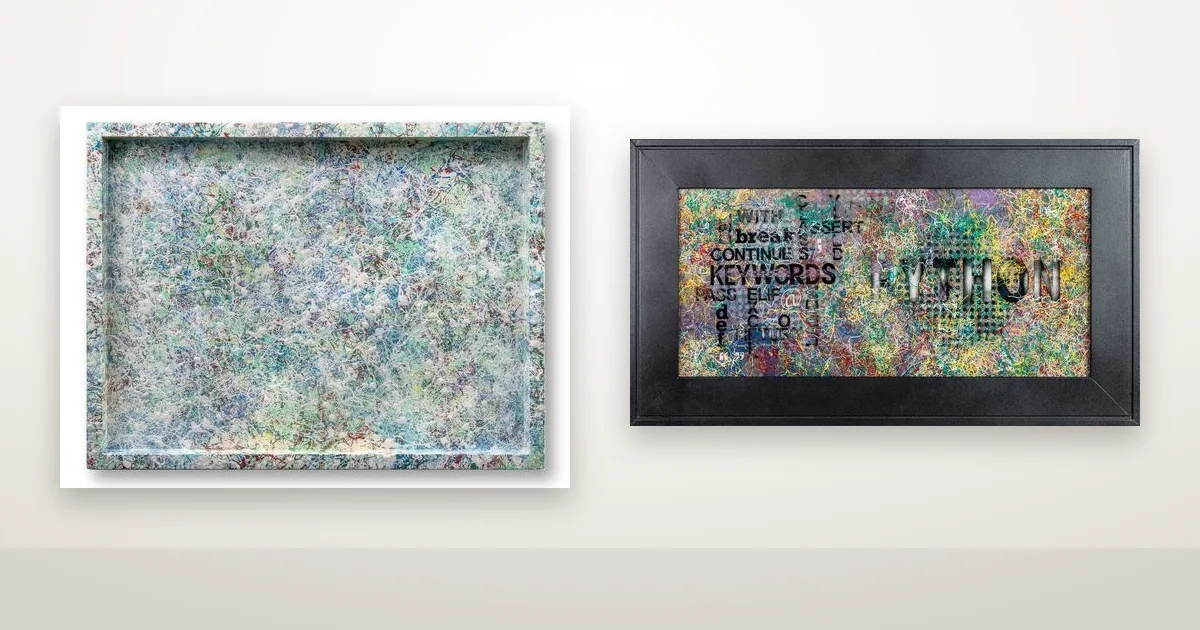
Two goldfish in German, a programming language in English, one Arabic word on two paintings: what an artwork title here proves, and what it does not.
Read the article →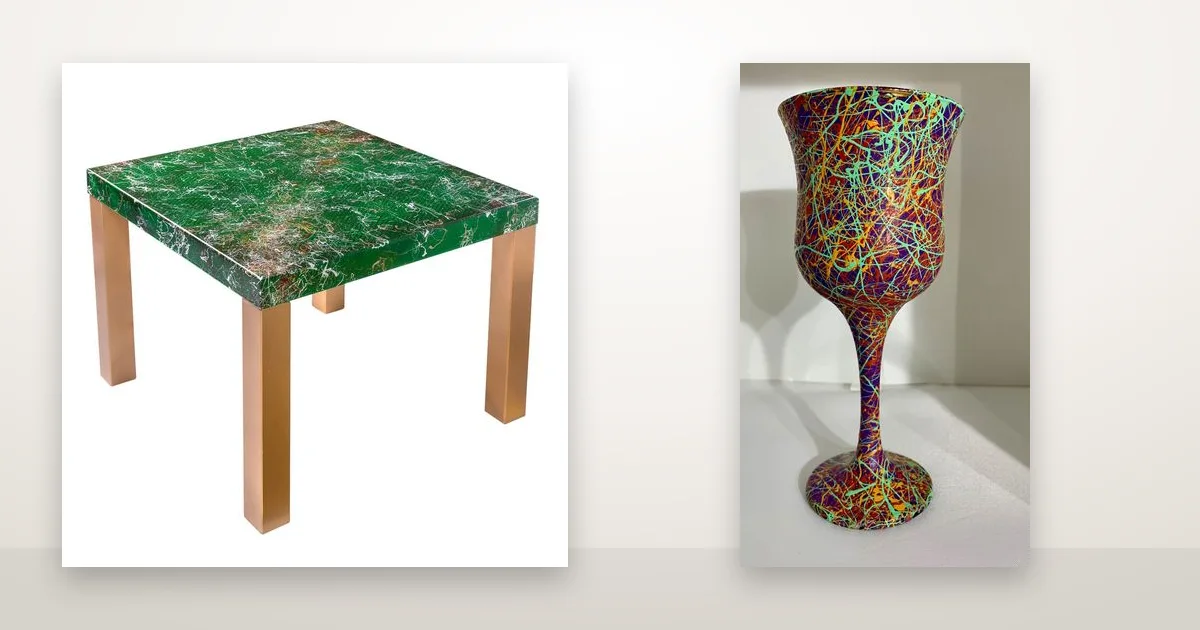
Thirteen works here are painted onto objects that already had a job. What the finish changes, what the page leaves out, and whether you can use it.
Read the article →
Liking a painting you cannot explain is normal. What an artwork page really tells you, what changes once it is on your wall, and the one honest check.
Read the article →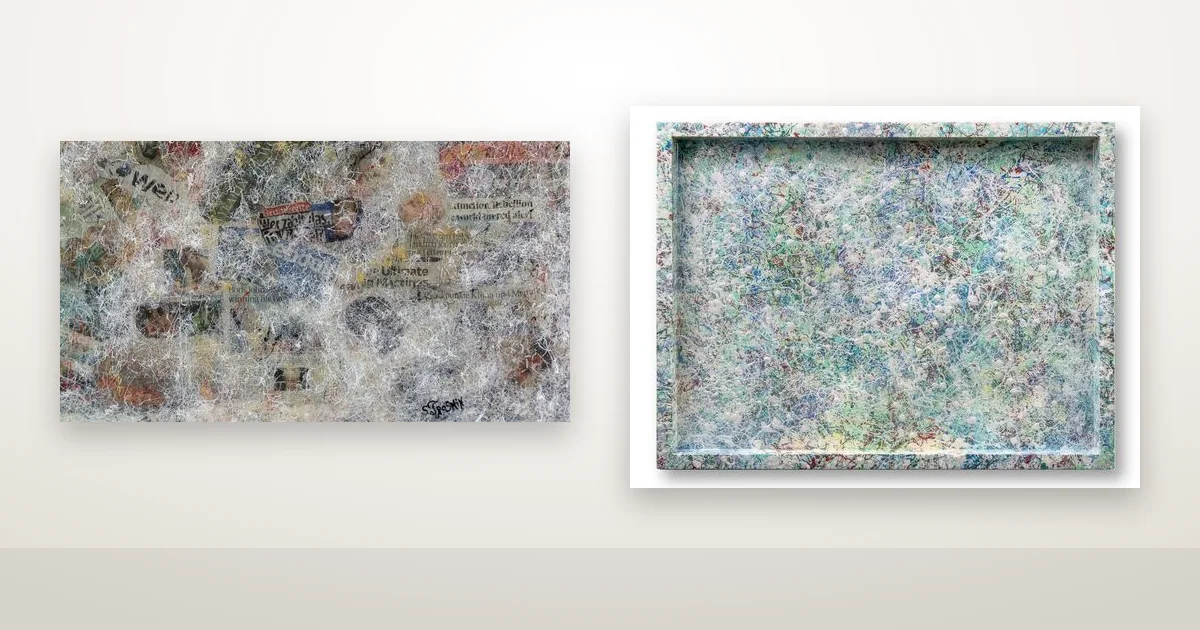
The nine facts that identify an original, the three questions no artwork page answers, and which of them our own pages already print for all 61 works.
Read the article →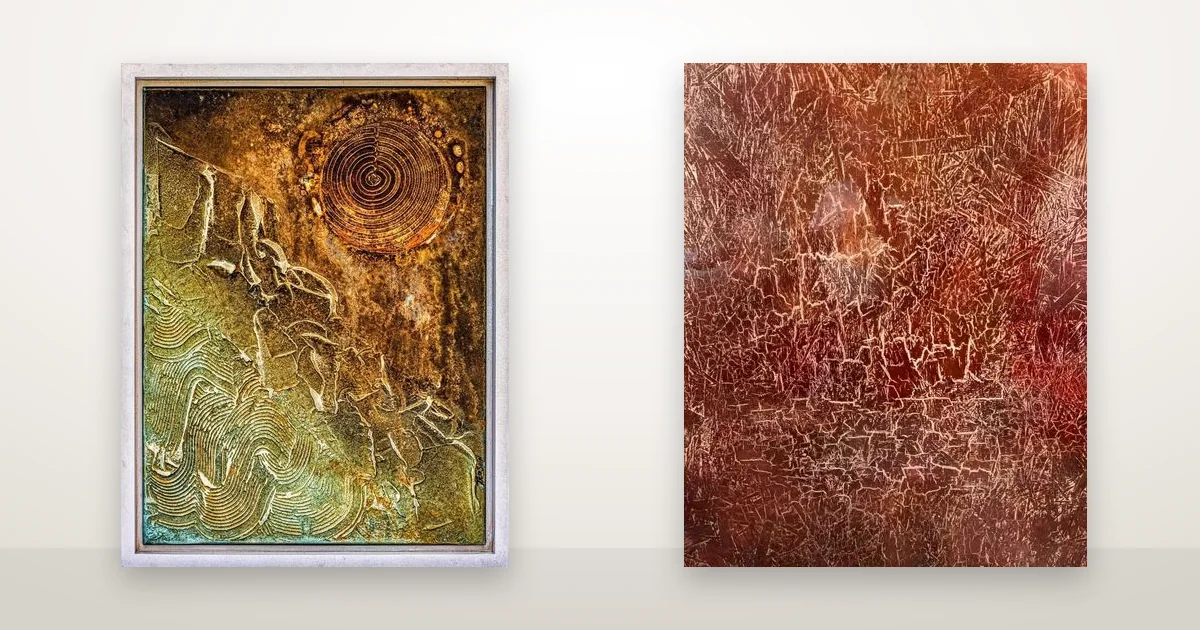
Three works in this catalogue return to the Dead Sea between 2021 and 2025. What the artist wrote about the place, and what each surface actually shows.
Read the article →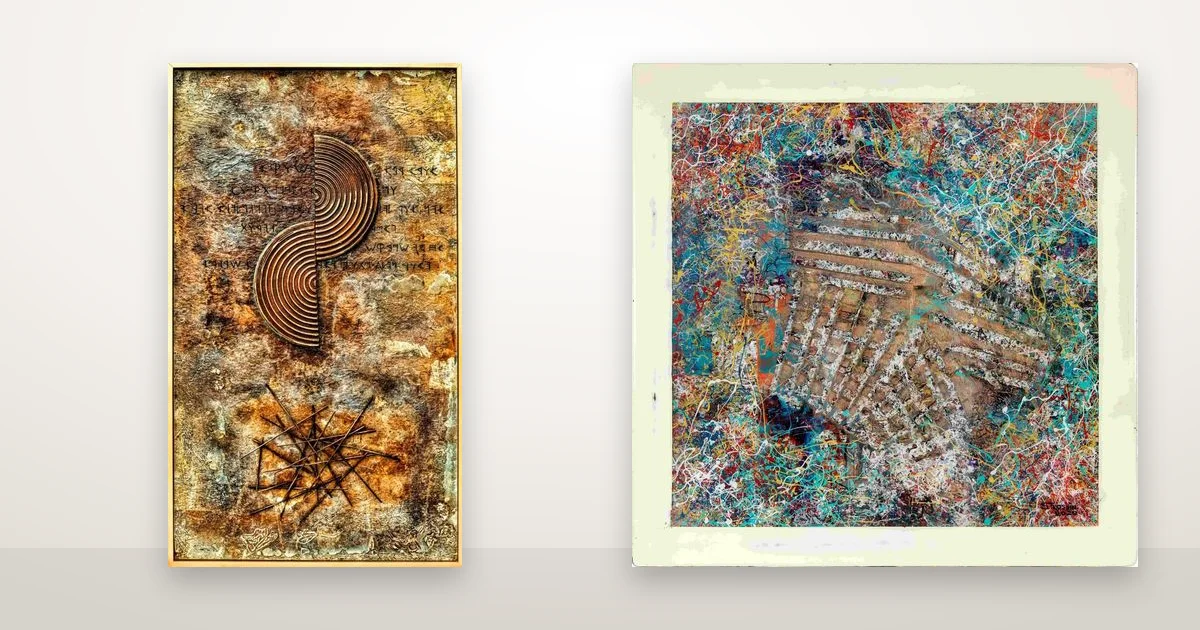
An abstract painting can still be about a real place, a text or a symbol. How to tell what a work is reaching for, on two originals you can see here.
Read the article →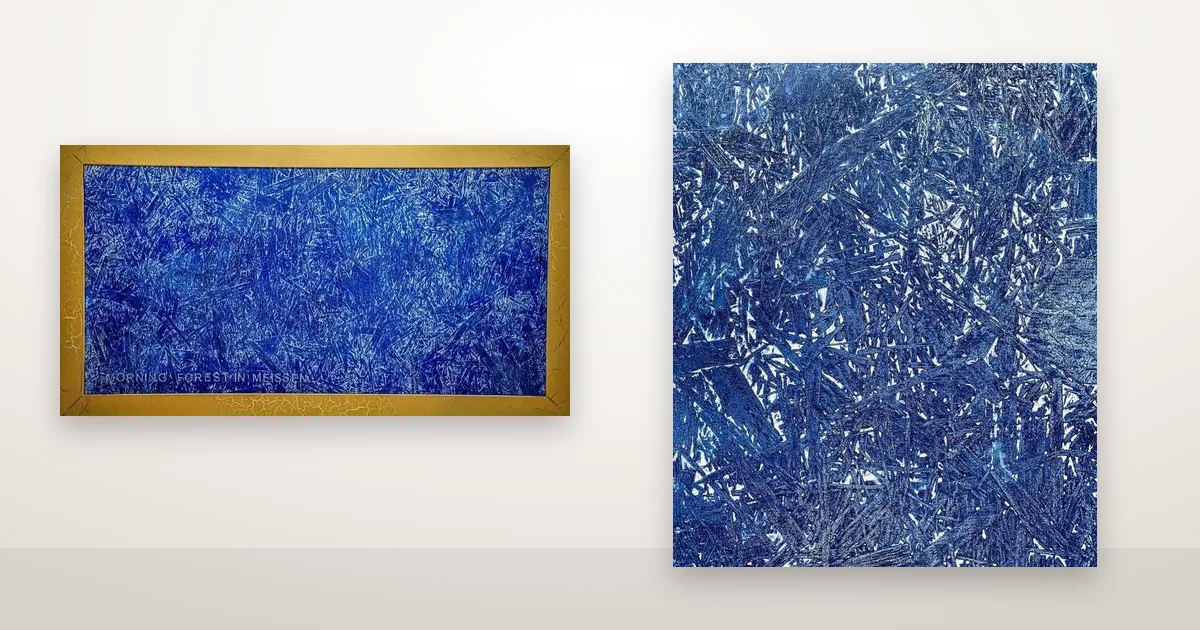
Two works here name their own colour source out loud: Meissen blue and the forests of Saxony. Where a palette comes from, and what the material decides.
Read the article →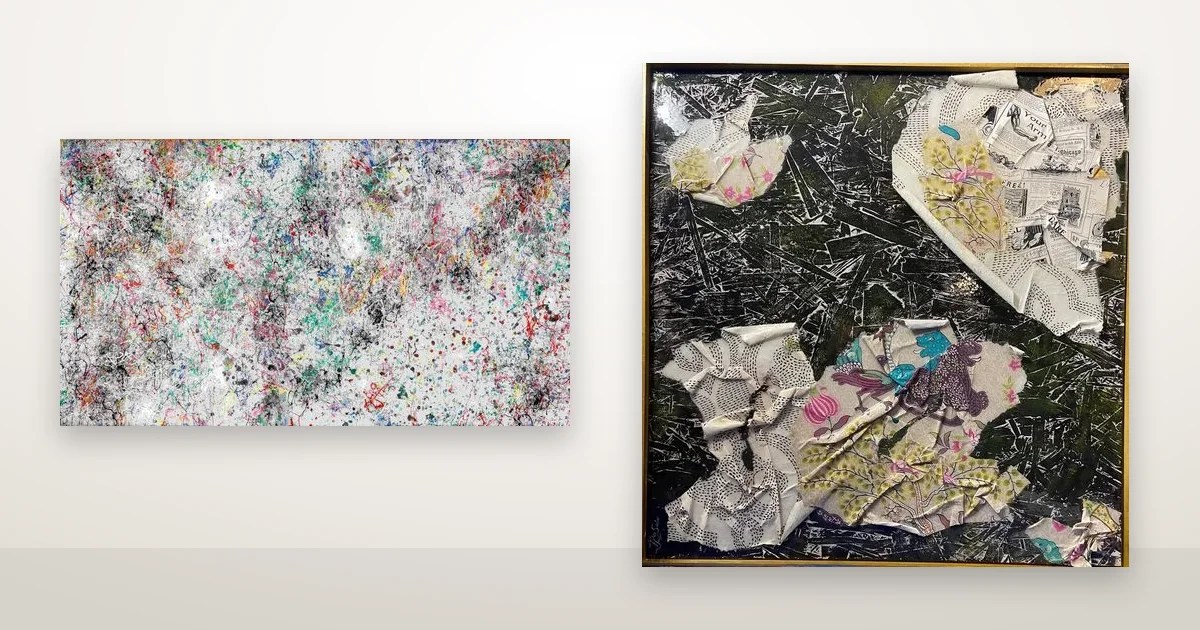
Risk passes on delivery. The record an original needs before you call your insurer: the nine details Object ID asks for, and what your artwork page leaves out.
Read the article →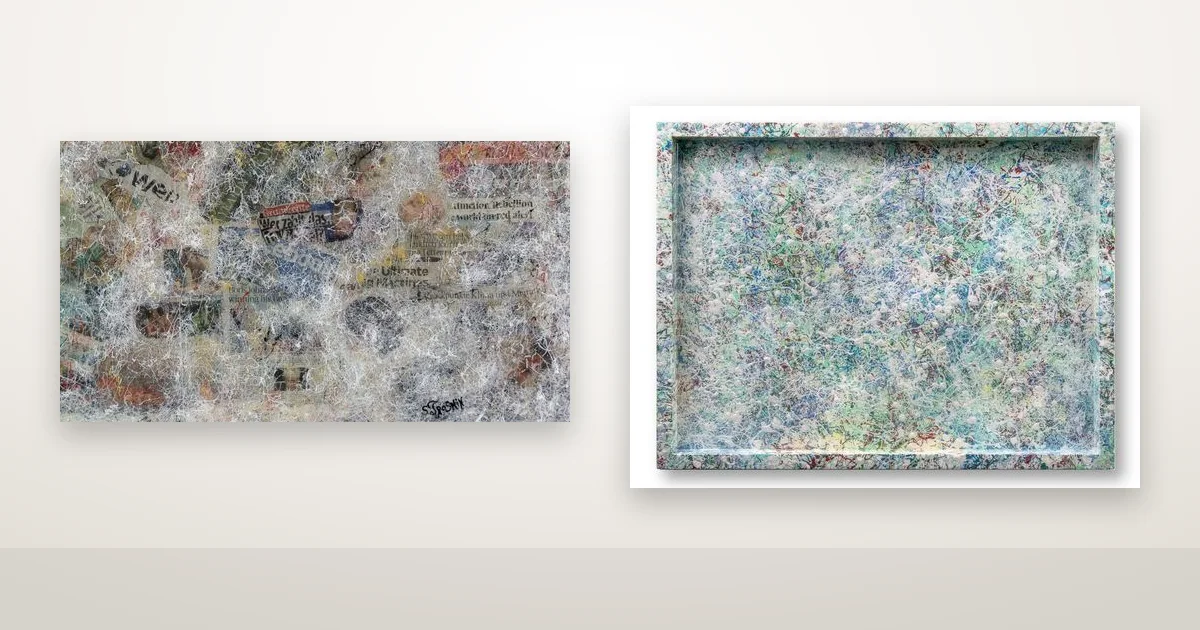
What actually decides the cost of shipping an original across Canada, what a cold truck does to a painting, and what to ask us before you pay for it.
Read the article →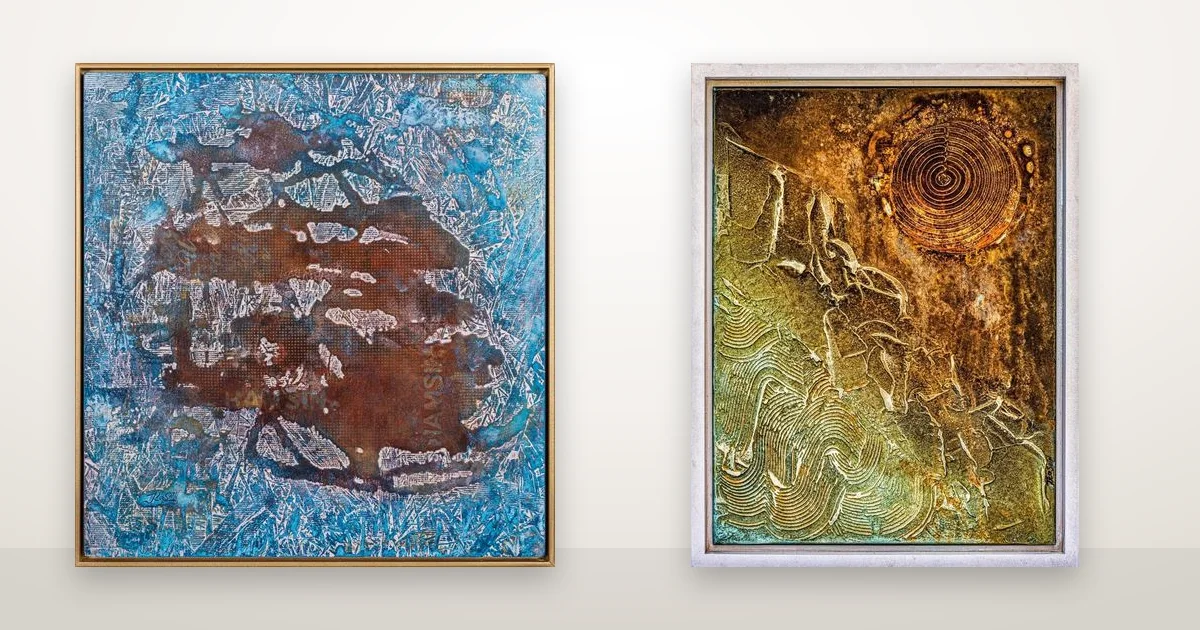
Two paintings in this catalogue share a title three years apart. Collecting one artist over years, read off 61 dated works: what changed, what runs out.
Read the article →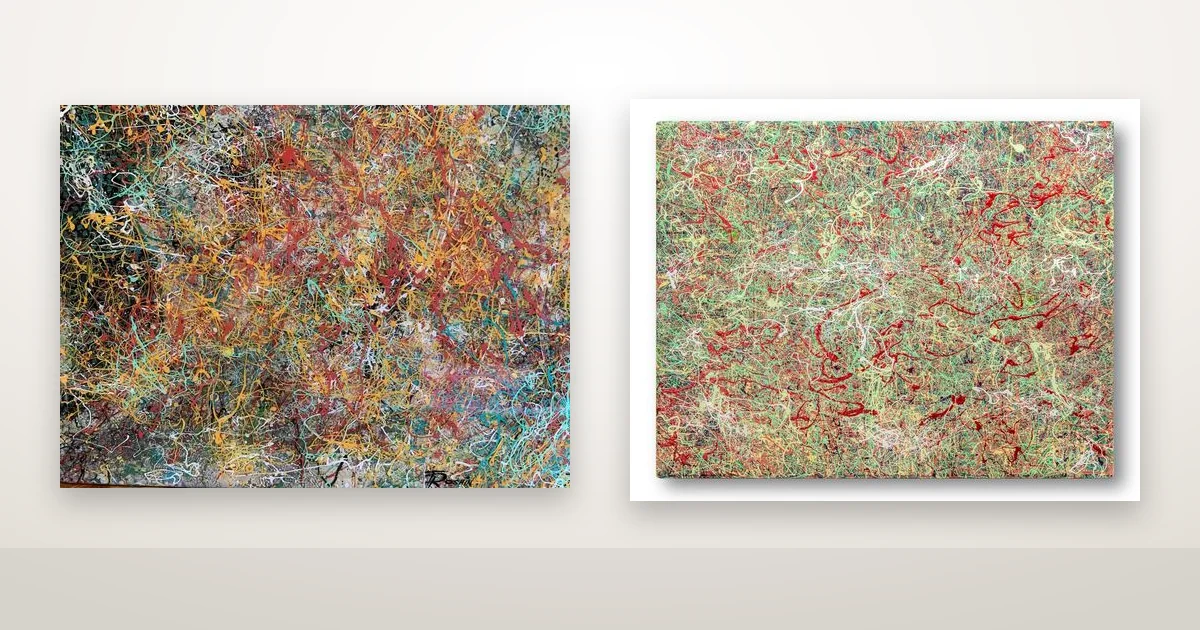
Canvas, wood or board: what a painting is built on decides how it hangs, how it ages and what surface it can carry. Two Sans Souci originals compared.
Read the article →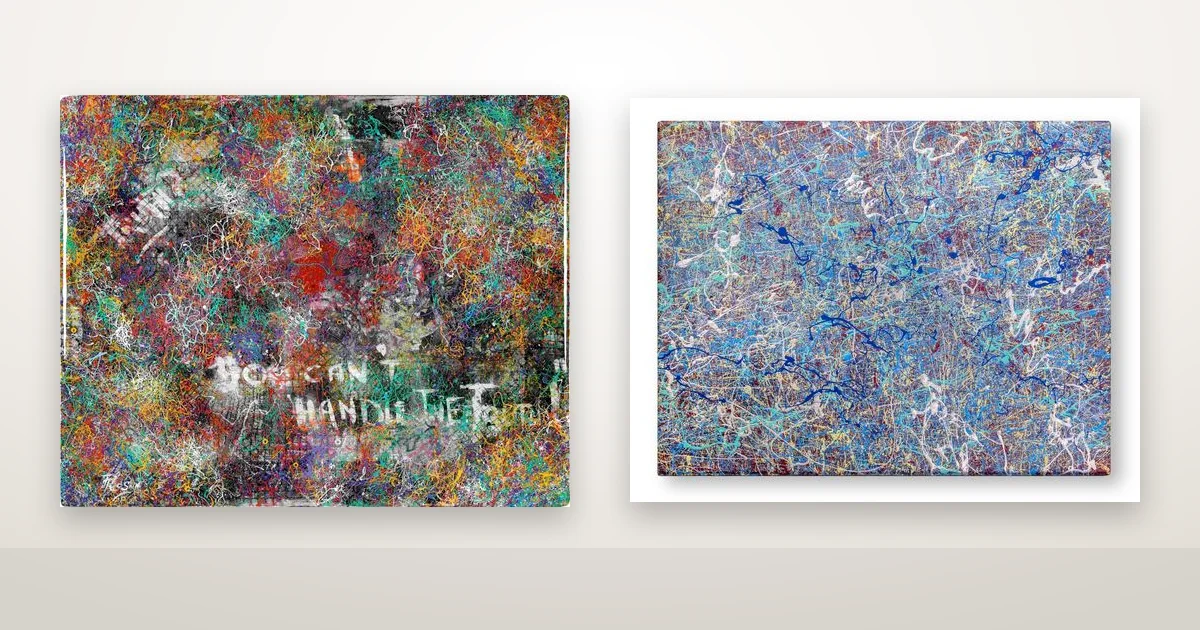
Why the same painting looks different at 9am and 6pm: the angle of the light, its colour, the number of sources, and what a sealed face does with them.
Read the article →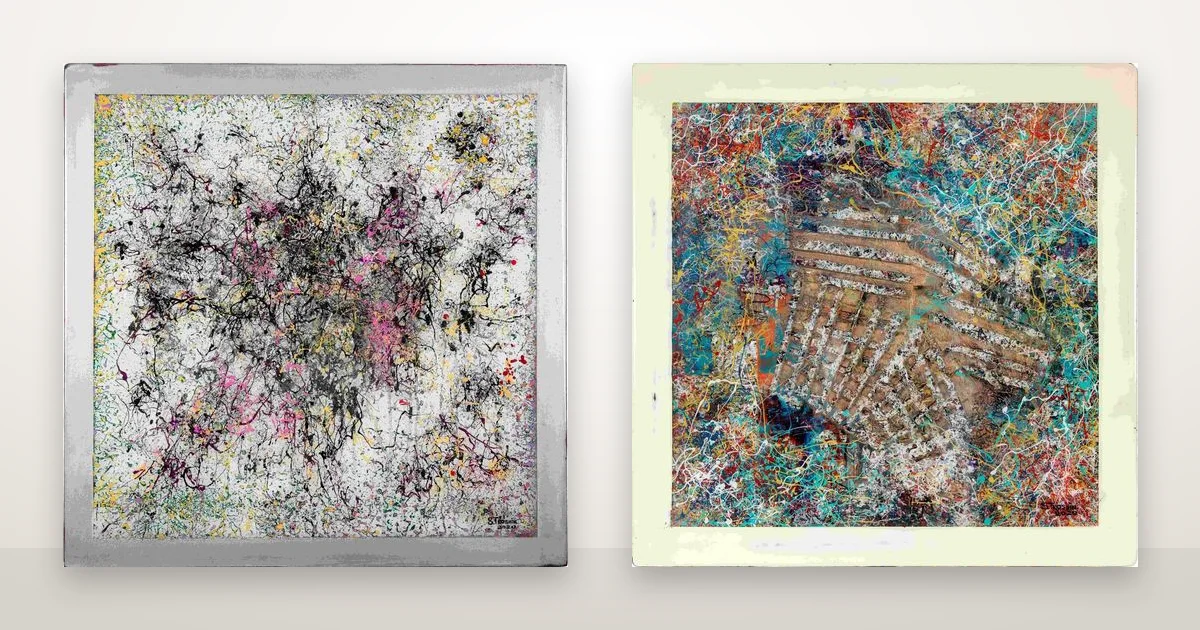
Two originals here match on year, size and materials and are completely different gifts. What to check before gifting original art, and how buying one from the gallery works.
Read the article →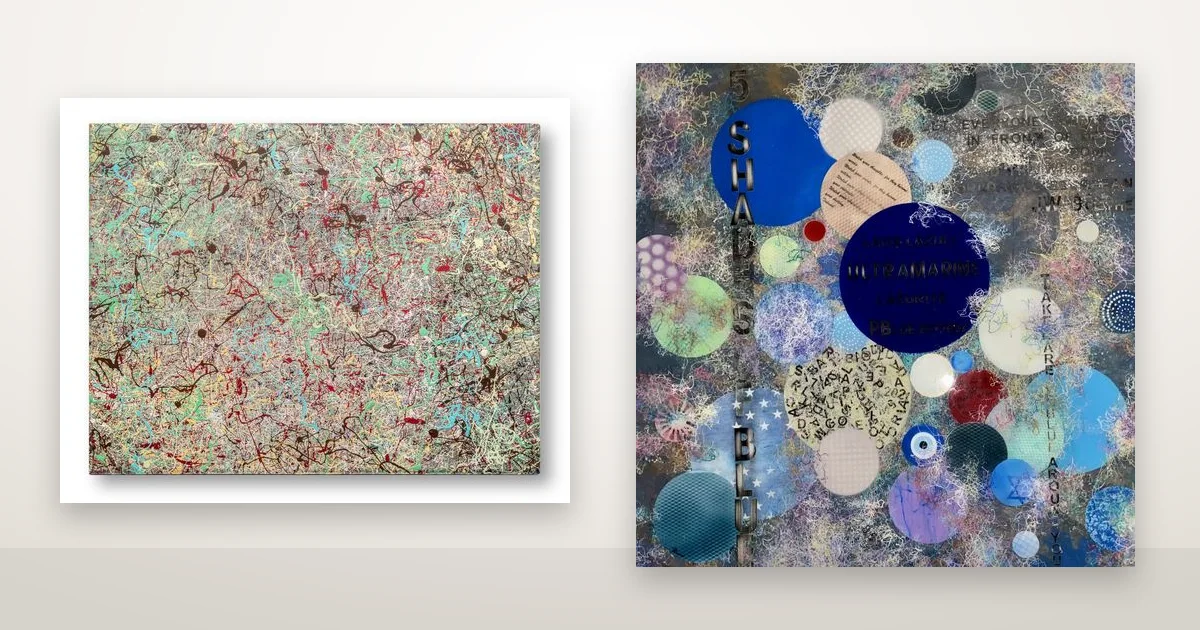
Hanging art in a rental without a fight over the wall: what the Ontario rules actually say, which pieces need a real fixing, and 13 that need no wall.
Read the article →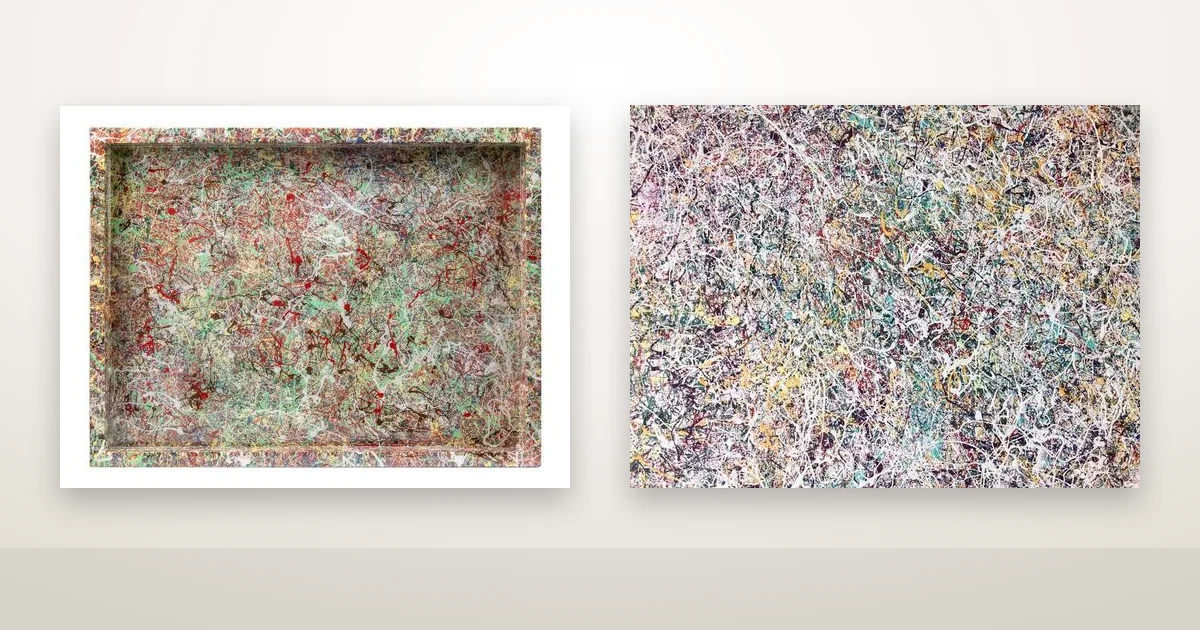
Two Sans Souci originals, layered in opposite ways: one sealed under ten clear coats, one built up in raised strands — and how to read the order.
Read the article →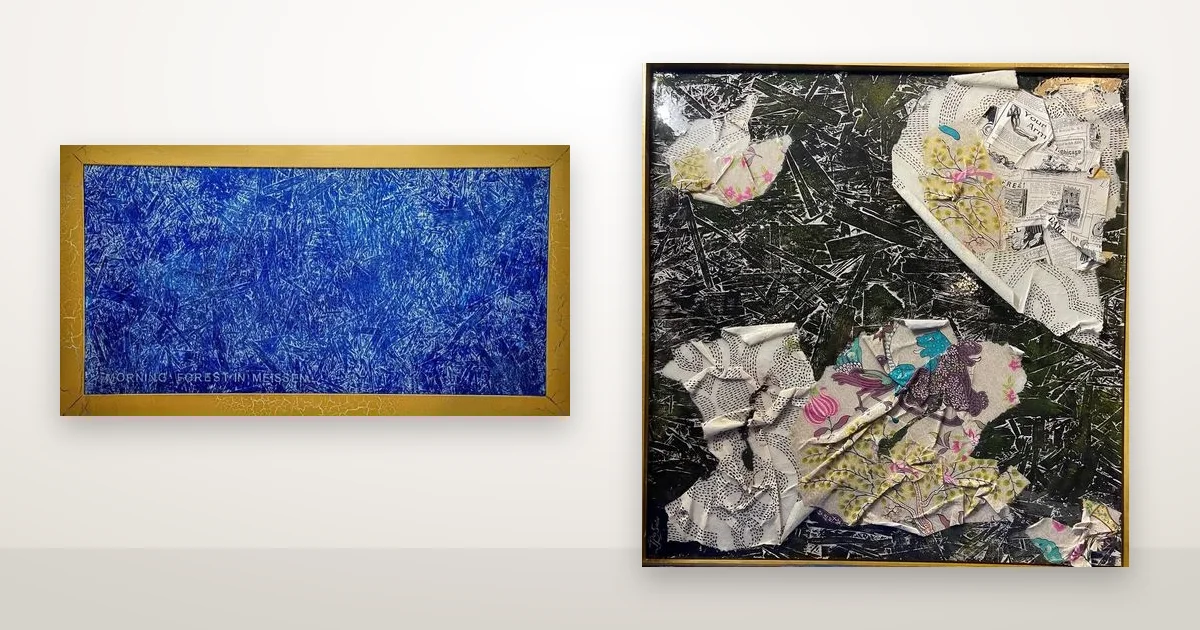
Diamond dust and gold are named on only a handful of Sans Souci pages. What they do to light, why photographs lose them, and how to light one at home.
Read the article →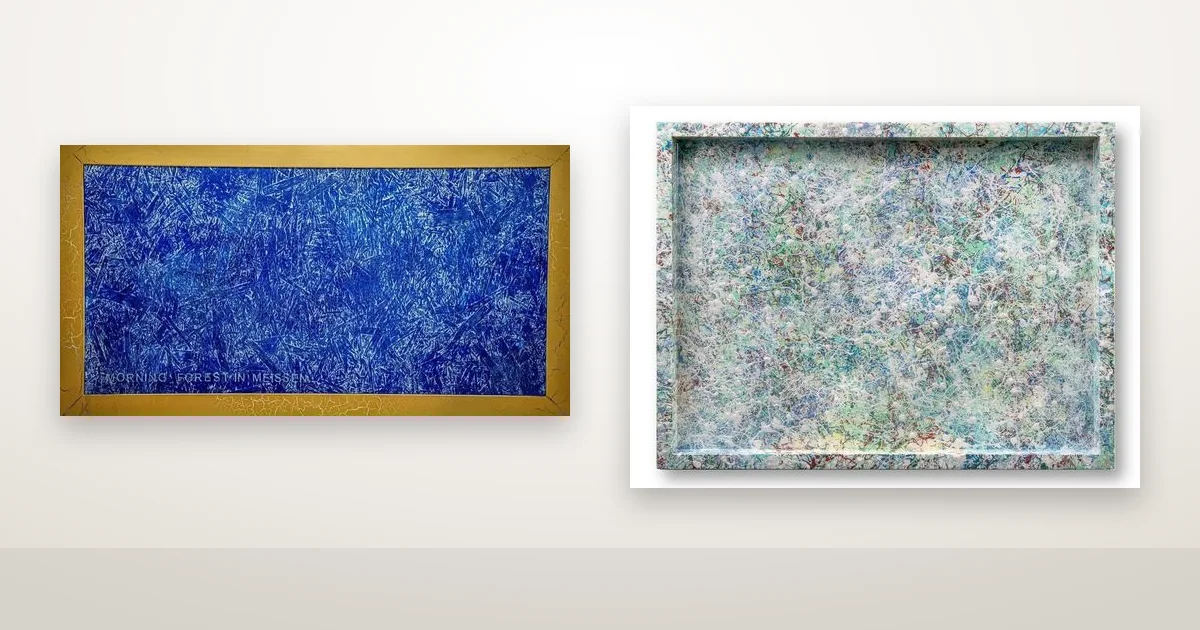
One of the sixty-one works in our catalogue arrives framed. What a frame physically does, when it earns its place, and when it covers the painting.
Read the article →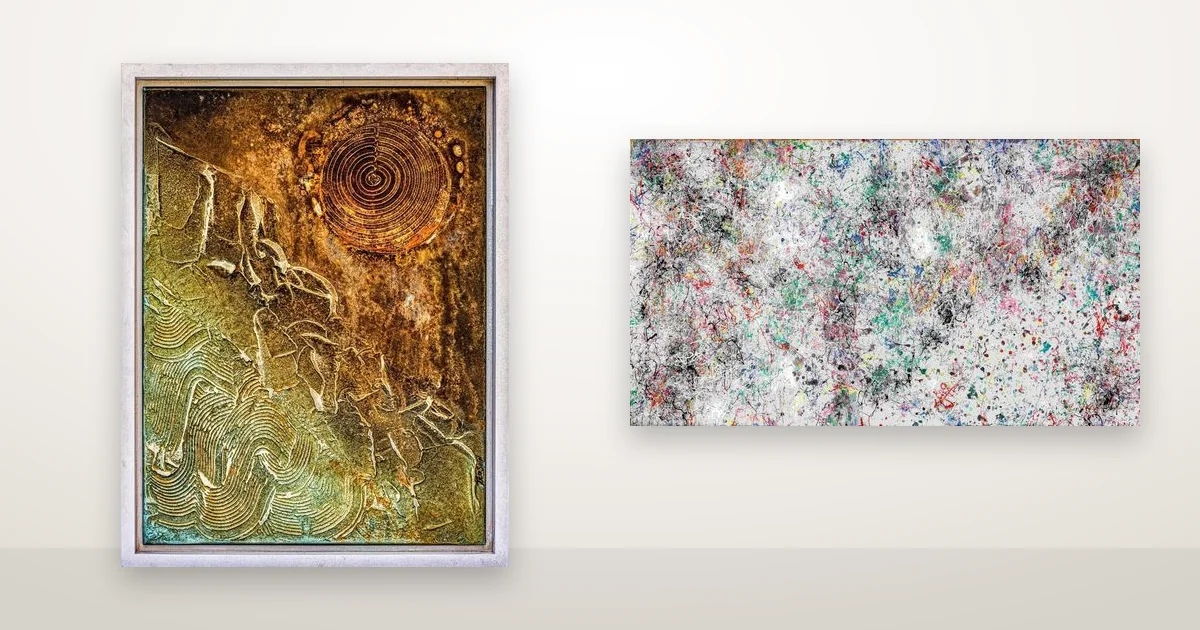
What buying original art in Toronto really involves at a small studio gallery: no checkout, prices on request, viewings by appointment, and why that helps.
Read the article →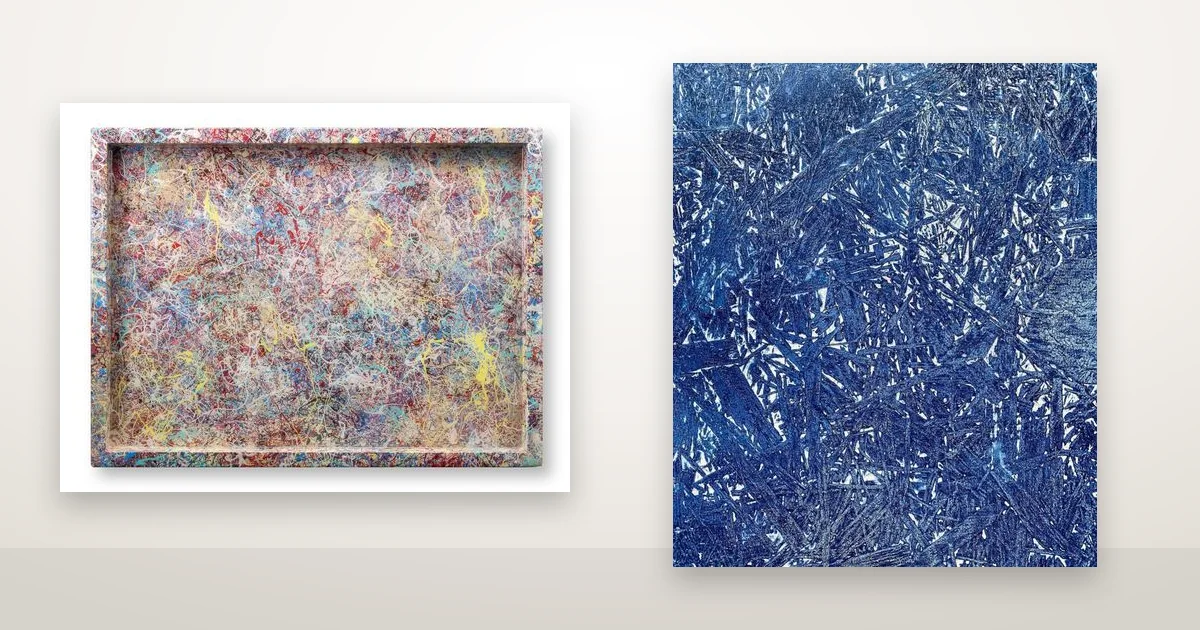
Abstract art is not random, subject-free or quick. Two Sans Souci originals show what is really there: sealed layers of line, and Meissen blue in wood grain.
Read the article →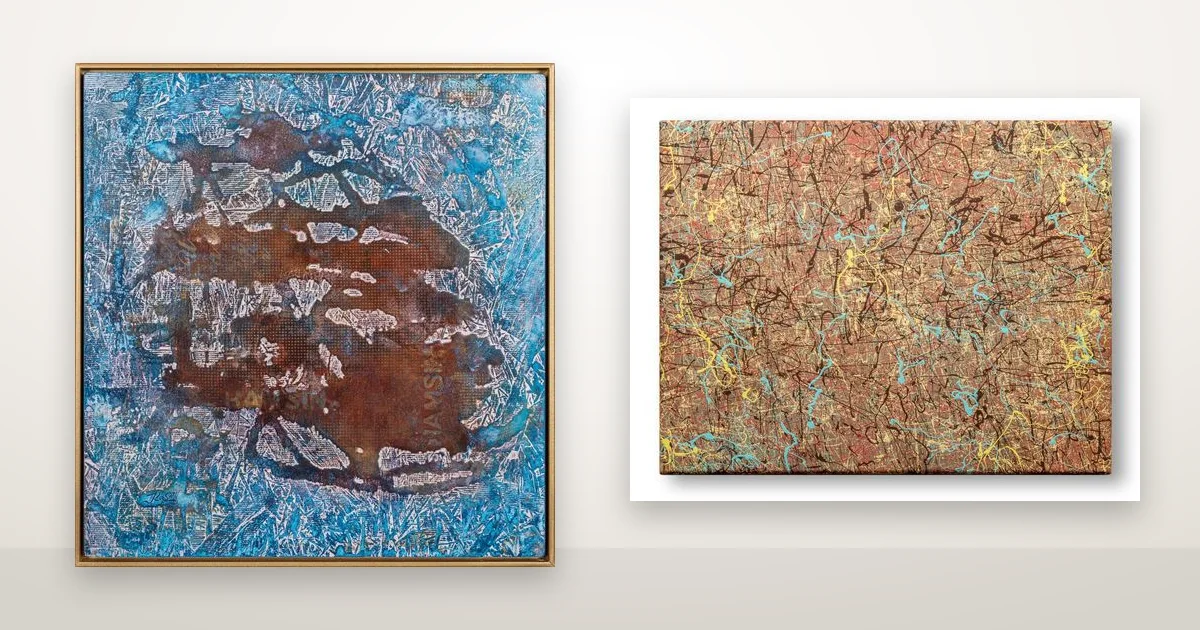
Blue, rust and gold behave differently once a painting is on the wall. Two available Sans Souci originals show why proportion beats matching.
Read the article →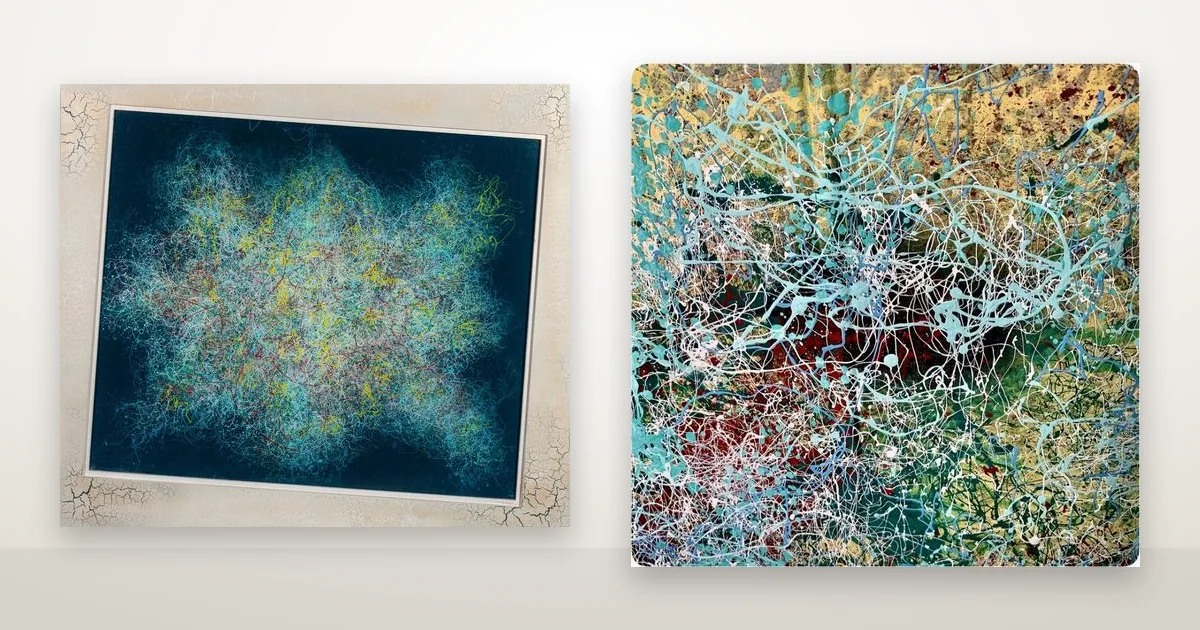
A photograph never tells you a painting's true footprint. Two real Sans Souci pieces, mid-scale and large, show how to measure a wall correctly before you buy.
Read the article →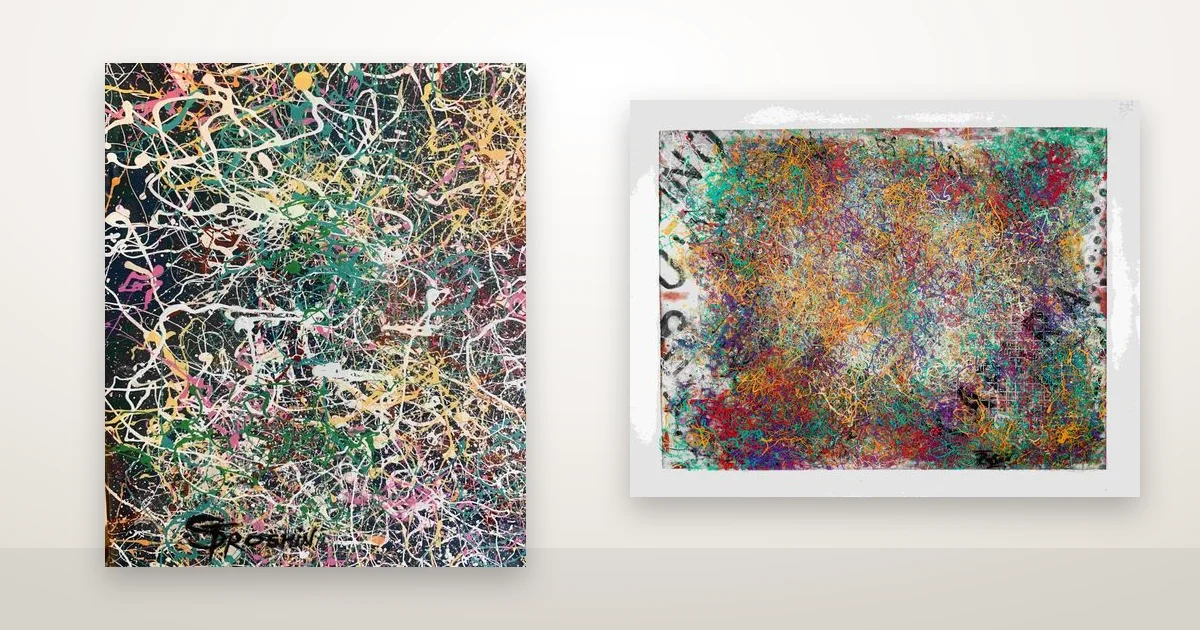
What Sergei Troshin needs from you to start a commission, how long the layered technique actually takes, and what arrives once a piece is finished.
Read the article →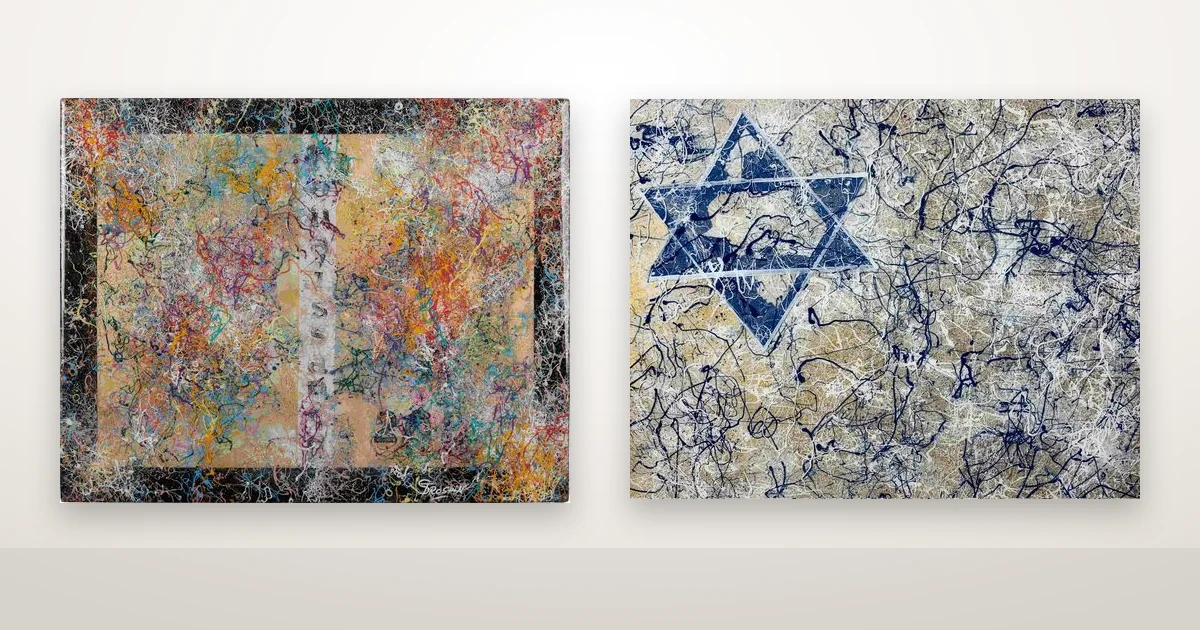
Sold, Private Collection, or no label at all: what the words under an artwork page actually mean, and why a piece never leaves the site once it sells.
Read the article →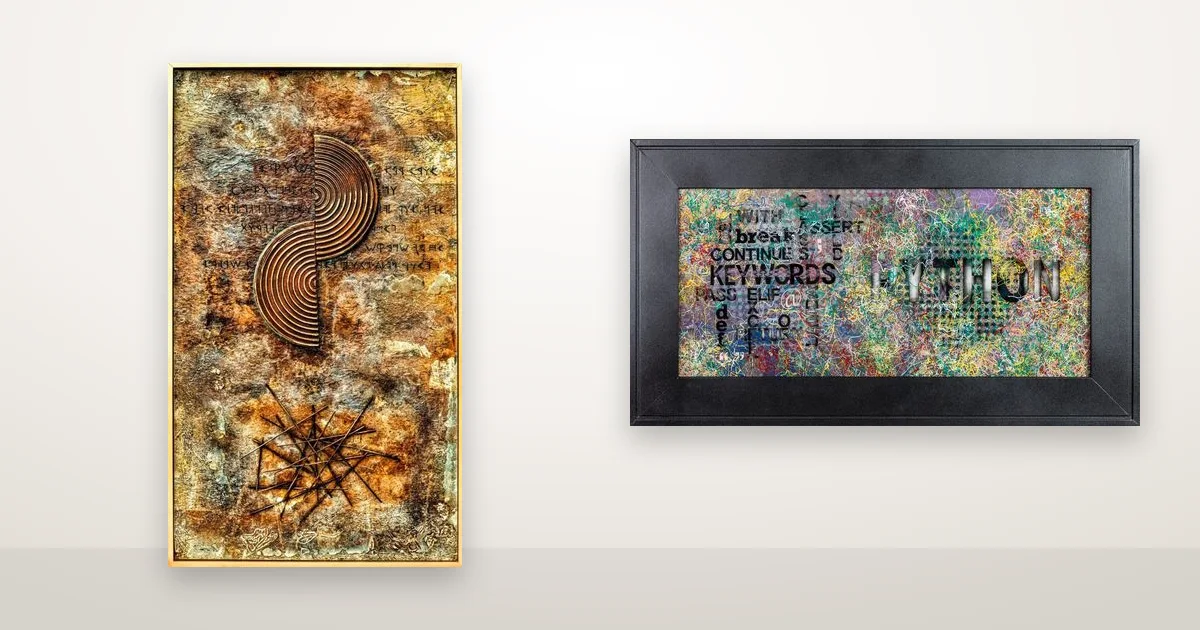
The short, honest list for living with an original at home — what actually protects it, and why a resin face and a raw texture need different care.
Read the article →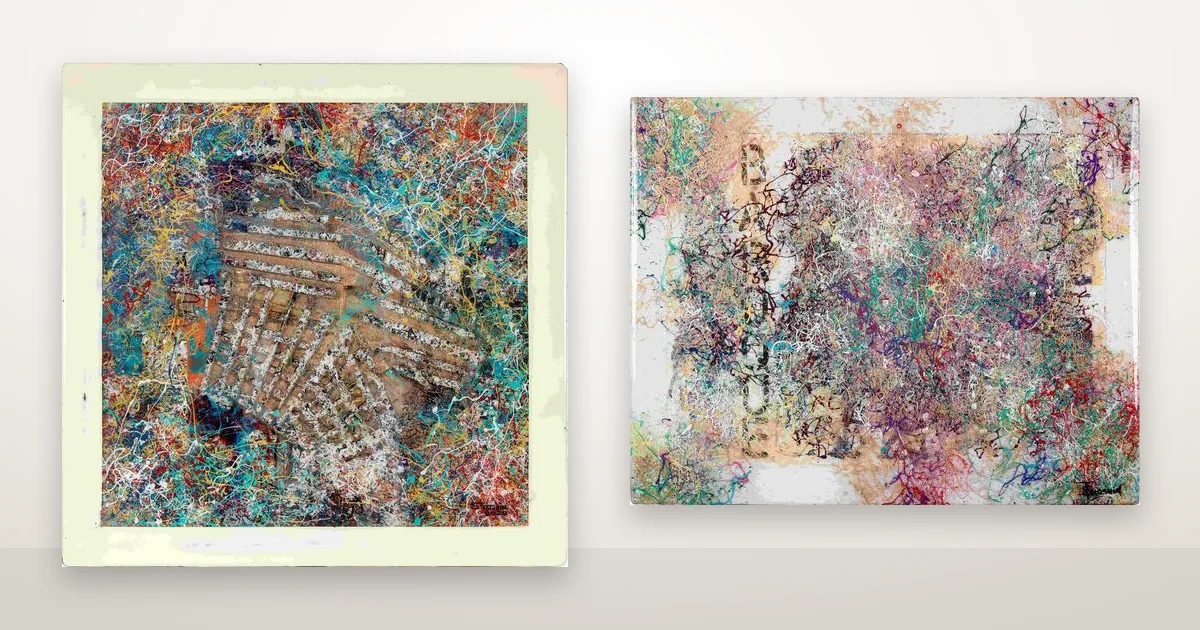
Original, print and reproduction are three different objects, not one word for the same thing. The plain difference, and why it changes what you own.
Read the article →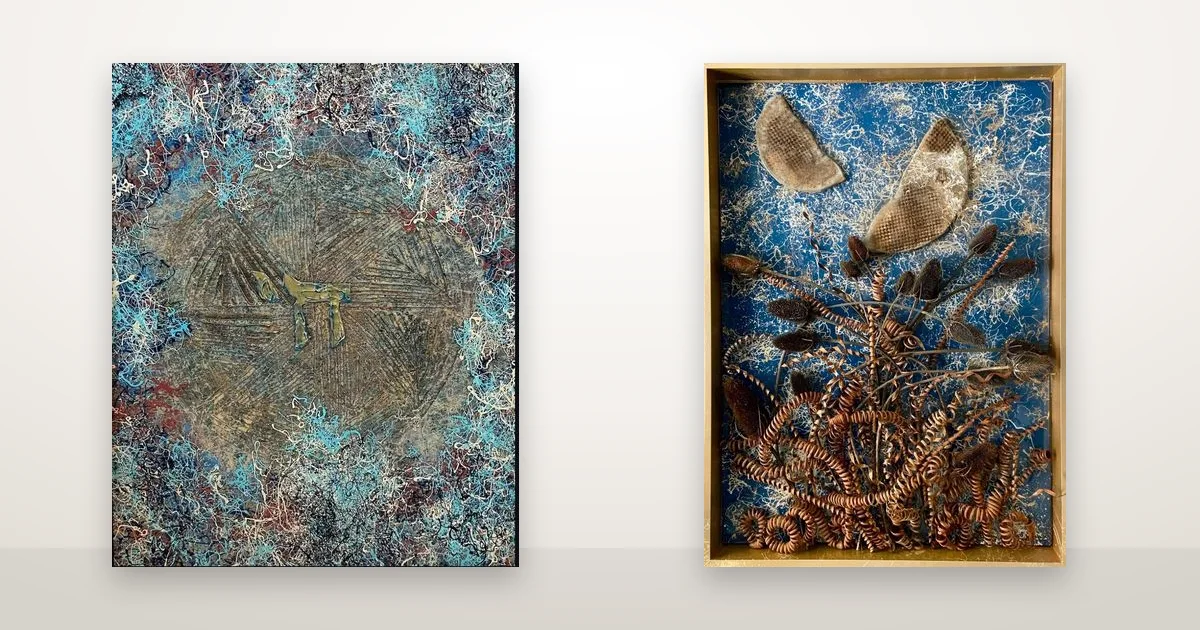
Every Sans Souci original leaves with a signed Certificate of Authenticity. Here is what it actually records, and why it matters most years after the sale.
Read the article →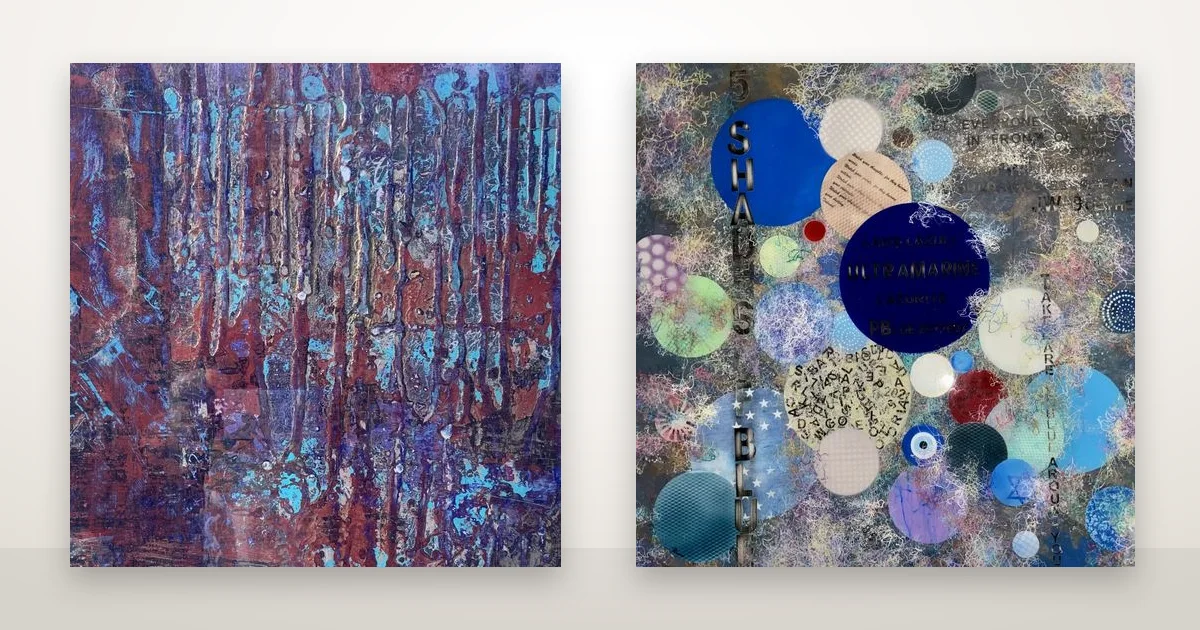
Two Sans Souci originals, one mid-scale and one four feet square, show how light, height and the wall you already own decide where texture belongs.
Read the article →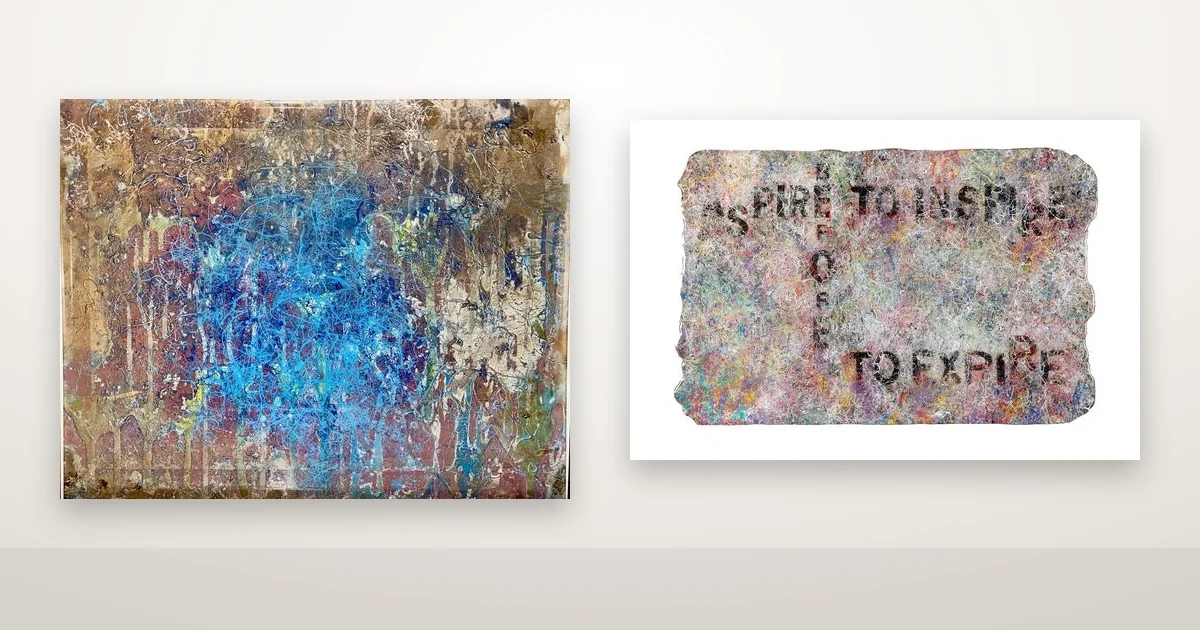
A practical, honest guide to choosing your first original artwork — what actually matters before you commit to a piece, and what really does not.
Read the article →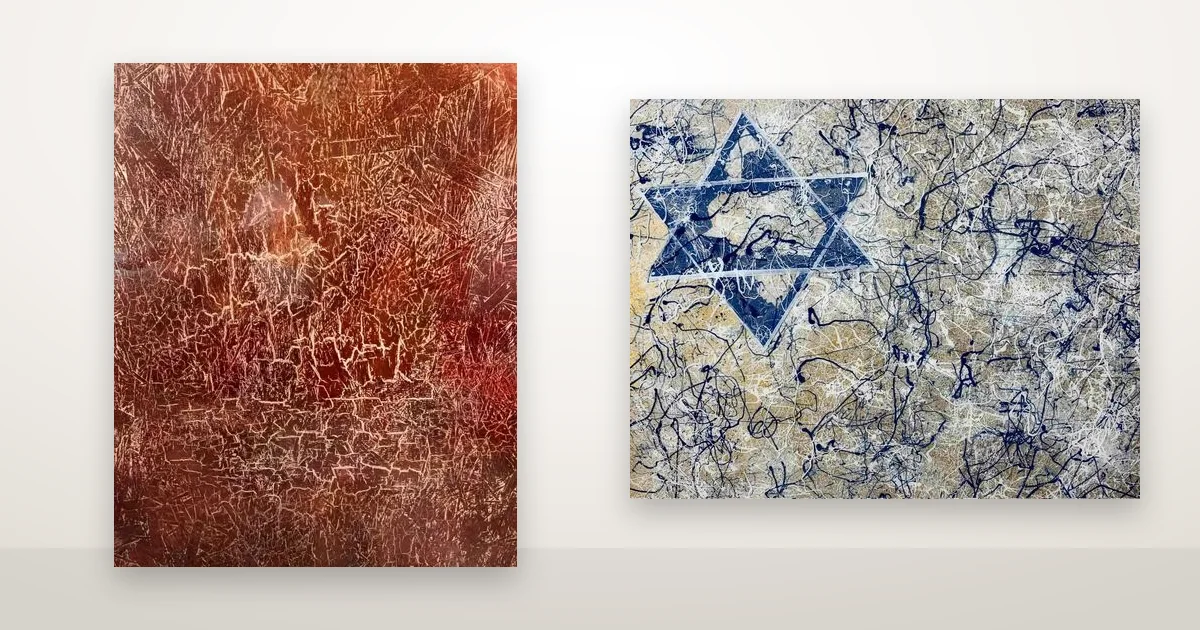
Two Sans Souci originals on wooden board, one built with natural dye and one with acrylic alone, and what that choice actually changes.
Read the article →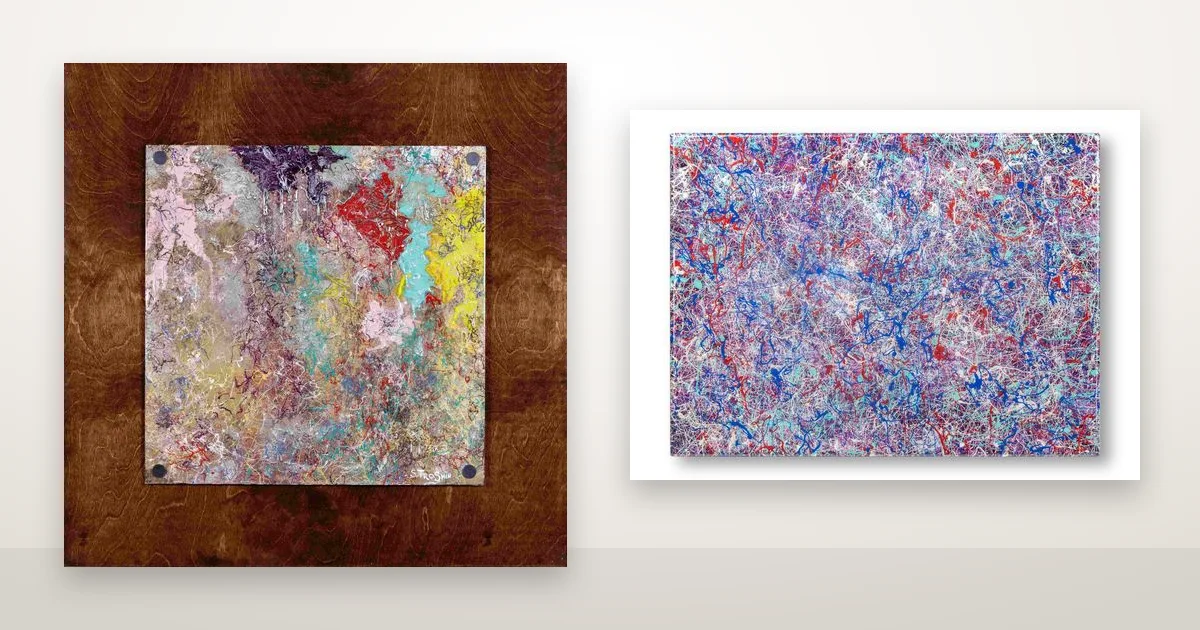
Two Sans Souci originals, one poured resin finish, and why the same coat reads differently depending on scale, support, and where a piece hangs.
Read the article →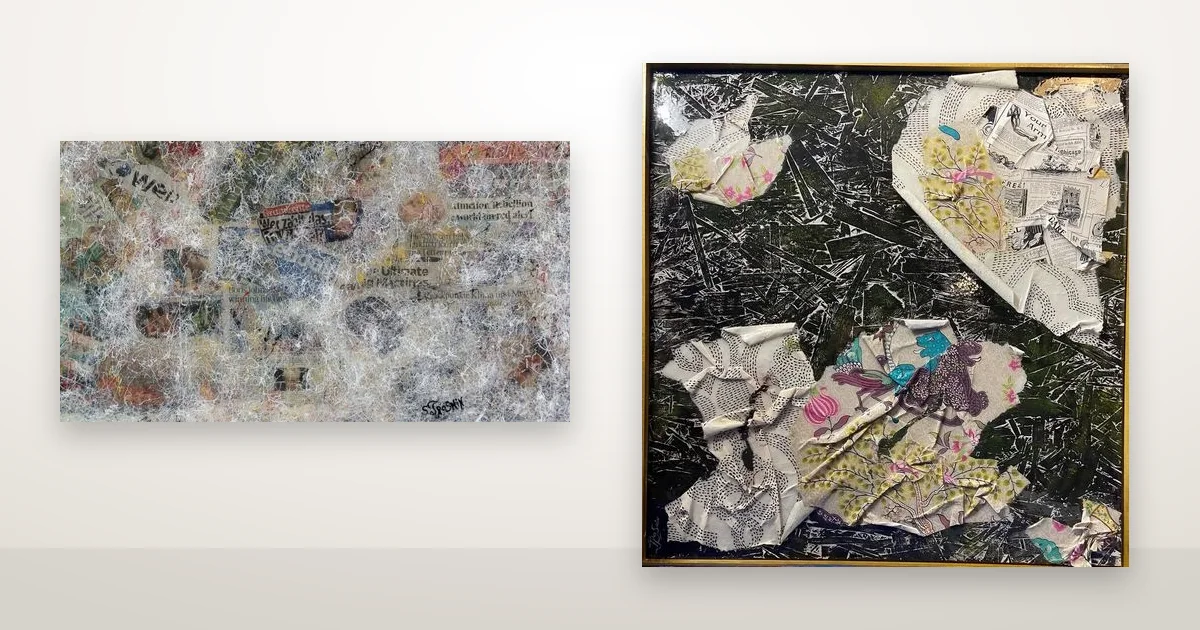
What mixed media actually means in plain terms, seen up close in two Sans Souci originals that combine collage, resin, and diamond dust on one surface.
Read the article →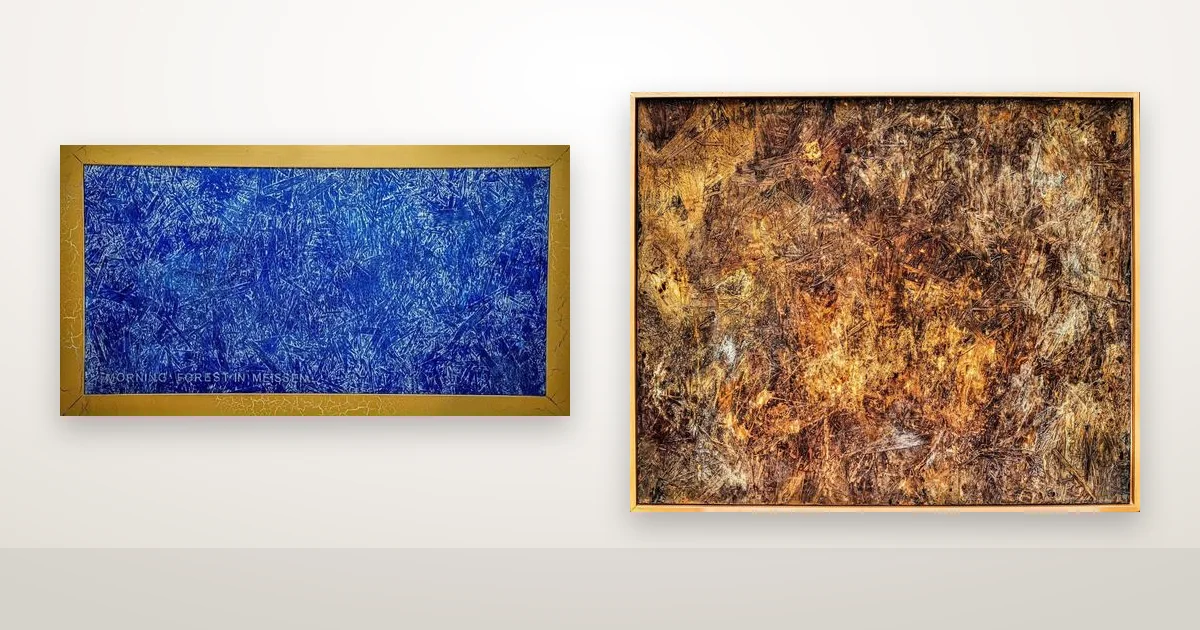
Texture is what a photograph cannot carry. Here is what raised, layered surfaces actually do in a room, and how to judge one before you buy it.
Read the article →